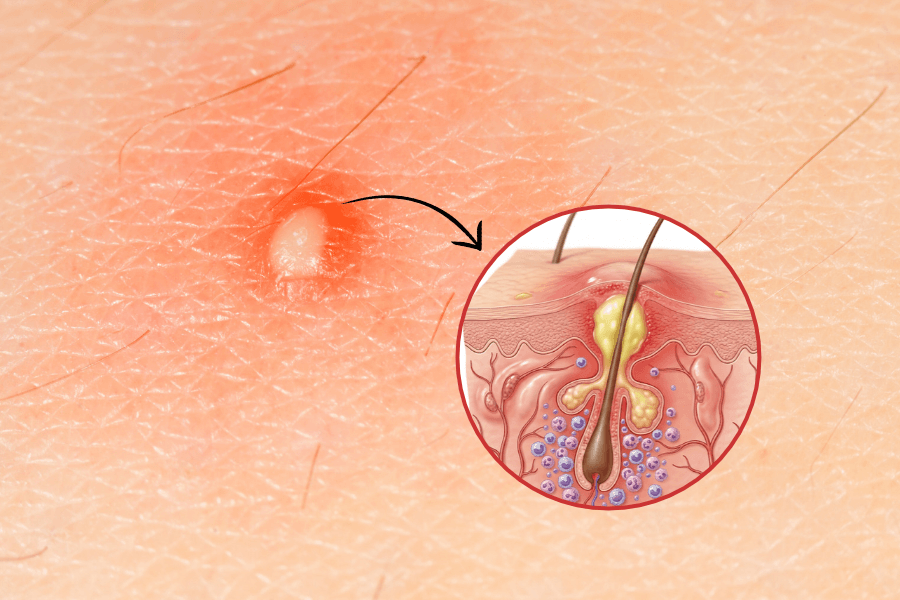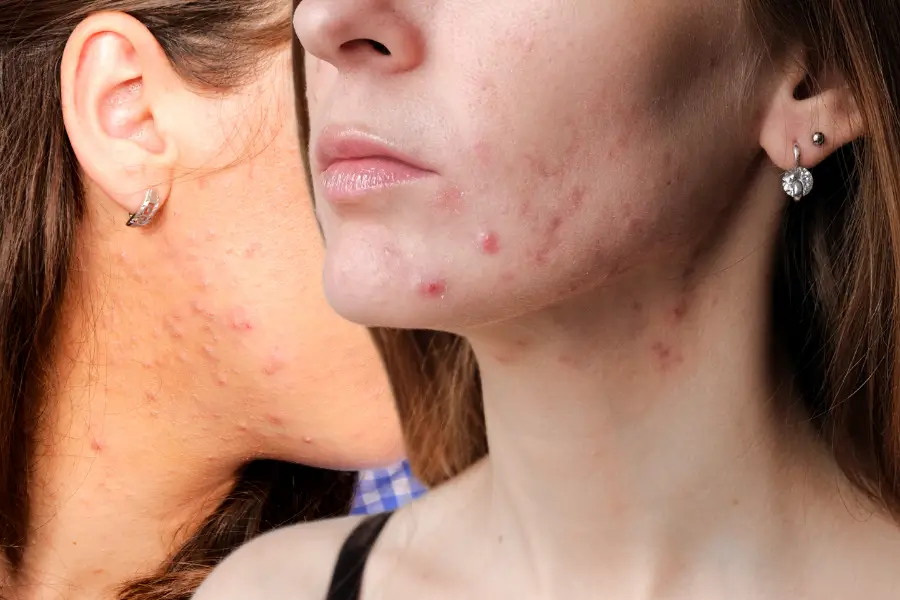
Face blemishes have a habit of turning up at the worst possible time. The morning of a big meeting. A week out from a wedding. Right when you thought your skin had finally sorted itself out. And once one shows up, the questions start piling on — why now, is it hormones, is it something in the diet, did that new moisturiser do this? For many people, facial blemishes can have several contributing factors rather than a single cause.
This guide walks through what’s actually behind face blemishes, the different types worth knowing about, and what to do about them — from small daily habits right through to when it’s time to talk to a skin specialist online.
What are face blemishes, exactly?
"Blemish" gets used pretty loosely. It can mean pimples, whiteheads, blackheads, small red bumps, the flat dark marks left behind once a breakout’s healed, or just patches of uneven skin tone. Here’s the thing though — not every blemish is acne, and treatments made for acne won’t necessarily touch a blemish that isn’t acne-related. Misidentifying the underlying condition may lead to treatment that is not appropriate for the cause.
Roughly speaking, blemishes fall into a few buckets:
- Inflammatory blemishes — red, sometimes tender bumps associated with inflammation and acne-related changes in the skin
- Non-inflammatory blemishes — blackheads and whiteheads that generally do not involve significant redness or swelling
- Pigmented blemishes — flat dark or red marks left once a pimple’s of altered pigmentation that may remain after inflammation has settled
- Textural blemishes — enlarged pores, small bumps, rough patches, not tied to any active breakout
Common triggers behind face blemishes
Hormonal fluctuations
Hormones fluctuations can contribute to acne and other facial skin changes, particularly in some adults. Around your cycle, through puberty, sometimes well into your thirties or forties — hormonal blemishes don’t really care about age. Hormonal acne can involve deeper, more inflamed lesions, which may not respond sufficiently to over-the-counter spot treatments alone.
Clogged pores and excess oil
Oil, dead skin, everyday grime — once that builds up inside a pore, this can contribute to blocked pores and acne lesions. Heat and humidity may also influence oil production, sweating and skin irritation.Diet and lifestyle factors
Diet plays a partial role. Some research has tied high-sugar and high-dairy diets to more frequent breakouts in certain people — though not everyone reacts the same way, which is part of why this one’s still debated. Stress and disrupted sleep may contribute to changes in skin inflammation or acne in some people.
Skincare and makeup products
This one gets overlooked constantly. Some skincare and cosmetic products may contribute to blocked pores or acne in susceptible individuals. Switched foundations or moisturisers recently and noticed new blemishes cropping up? If breakouts appear after introducing a new product, consider whether the product may be contributing. Stick to products labelled non-comedogenic where you can, and bring in new products one at a time — otherwise you’ll never actually know what caused what.
Environmental factors
Australian weather isn’t exactly kind to skin. UV exposure, air conditioning drying things out, then jumping between humid and bone-dry conditions within the same week — These factors can contribute to skin dryness, irritation or changes in the skin barrier. Cancer Council Australia has more on how UV exposure damages skin over time, and why daily protection matters even outside of summer.
Touching your face and unwashed items
Resting your chin on your hand on a call, or not washing your face towel often enough, sounds minor. Repeated contact may contribute to irritation or transfer of oils and contaminants to the skin.
How to treat face blemishes
Start with a simple, consistent routine
Adding more products is not necessarily better; a simple, consistent routine may be easier for the skin to tolerate. Gentle cleanser, lightweight moisturiser, SPF every single day. That’s most of it. Introducing several active ingredients at once may increase the risk of irritation.
Look for salicylic acid cleansers
For blackheads, whiteheads, general congestion — Salicylic acid can help reduce oil and keratin build-up within pores and is commonly used for acne-prone skin. Salicylic acid is a commonly used topical ingredient for acne and clogged pores. That said, it won’t suit everyone; dry or sensitive skin types are often better off easing in slowly rather than diving straight in.
Don’t pick or squeeze
Everyone’s tempted at some point. Picking or squeezing acne lesions may increase inflammation and the risk of skin damage or scarring, and it can turn what would’ve been a minor, short-lived blemish into something that sticks around for months. If it’s bothering you, leaving it alone — or seeking professional assessment — beats going at it in the mirror.
Consider medical-grade skincare
Some persistent or more severe acne may require prescription treatment. A qualified clinician can assess the underlying condition and determine whether prescription medicines or other treatment options are appropriate.
Know when to see a skin specialist
Painful blemishes, ones that keep coming back in the exact same spot, or nothing improving after a few weeks of genuinely trying — this may be a reason to consider professional assessment. A qualified practitioner can assess whether the presentation is consistent with acne or another skin condition and provide management recommendations based on the individual presentation. The Australasian College of Dermatologists has a good breakdown of when a GP referral to a dermatologist is worth pursuing.
Face blemishes vs acne: is there a difference?
There is. Acne is a specific, diagnosable condition, and blemishes can be one of its symptoms — but plenty of blemishes have nothing to do with acne at all. Rosacea, dermatitis, even sun damage can all leave marks that look blemish-like on the surface. Healthdirect Australia outlines the causes and types of acne in more detail if you want to check your symptoms against it. Self-assessment can have limitations, particularly when different skin conditions can appear similar.
Getting professional advice when access is delayed
For some people, access to specialist dermatology care can be a challenge. Wait times for in-person dermatology appointments can vary considerably depending on location, demand and appointment availability, and may be longer in some regional and remote areas. Telehealth provides an alternative pathway for accessing professional skin assessment where clinically appropriate. Telehealth may allow patients to access a consultation remotely, subject to clinical suitability and practitioner availability.
The bottom line
Face blemishes are common, and many facial blemishes can be managed with appropriate skincare and treatment once you’ve worked out what’s driving them. Start with the basics — simple routine, a bit of patience, hands off — and if things still aren’t budging, consider professional assessment if blemishes are persistent, severe or not improving with self-care. You don’t have to figure this one out on your own.
Frequently Asked Questions
Facial blemishes can have several contributing factors, including clogged pores, excess oil, hormonal influences and certain skincare or environmental factors. Rarely just one cause, which is why fixing a single habit doesn’t always sort things out on its own.
Start simple. Gentle cleanser, a salicylic acid cleanser if congestion’s the issue, lightweight moisturiser, SPF daily. If a few weeks of that doesn’t shift things, prescription treatment or professional assessment may be appropriate depending on the underlying condition.
Hormonal blemishes are triggered by internal shifts — hormone fluctuations tied to your cycle, puberty, or stress — rather than something sitting on the surface of your skin, like clogged pores or a heavy moisturiser. Hormonal influences can be associated with deeper, more persistent acne lesions, cluster around the jawline and chin, and resist typical over-the-counter spot treatments. Management depends on the underlying cause and may include topical or prescription treatments — sometimes a prescribed treatment from a clinician, rather than anything you’d find on a chemist’s shelf. Hormonal acne may require a different management approach from non-inflammatory clogged pores.
Redness generally points to inflammation — inflammation within the skin, which can have several possible causes. Could be bacteria, a reaction to a product, or a condition like rosacea. Persistent redness is worth getting checked rather than guessed at.
These are often leftover marks from a blemish that’s already healed, not an active one. Sun protection matters a lot here, since UV exposure can make these marks darker and slower to fade. Some cases may benefit from targeted treatment following professional assessment.
Hormonal acne can be persistent, but a range of treatment options may be available depending on the individual presentation. A skin specialist can talk through what’s actually driving yours and suggest something more targeted than a one-size-fits-all product.
Disclaimer: This article is general information only and isn’t a substitute for personalised medical advice. If you’re concerned about persistent or severe blemishes, speak with a registered health professional.