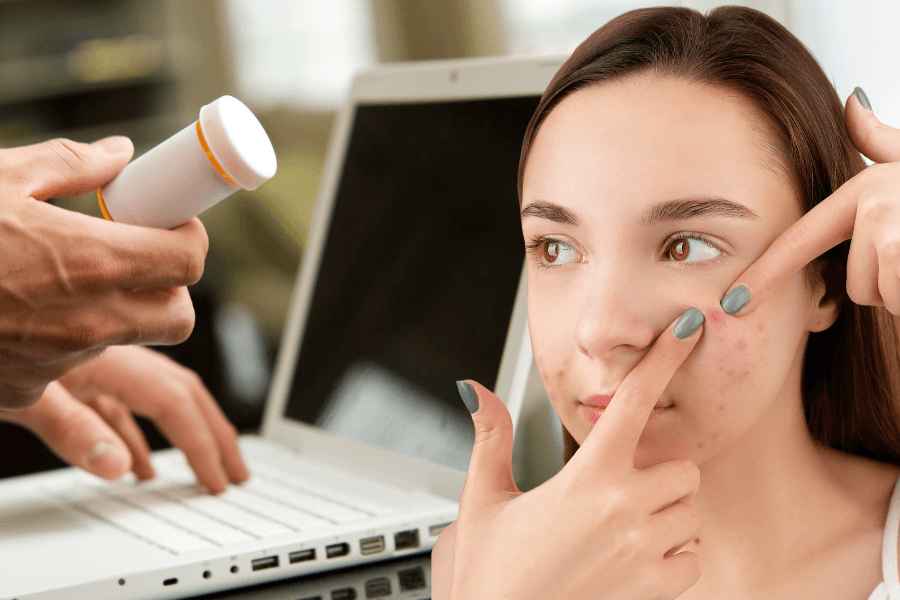
You have tried the cleansers. The spot treatments. The expensive serums. Your jawline still breaks out in the same spots, at roughly the same time each month, with the same deep, painful lumps that take forever to go away.
This pattern may be related to underlying hormonal factors rather than skincare alone.
The jaw is not random
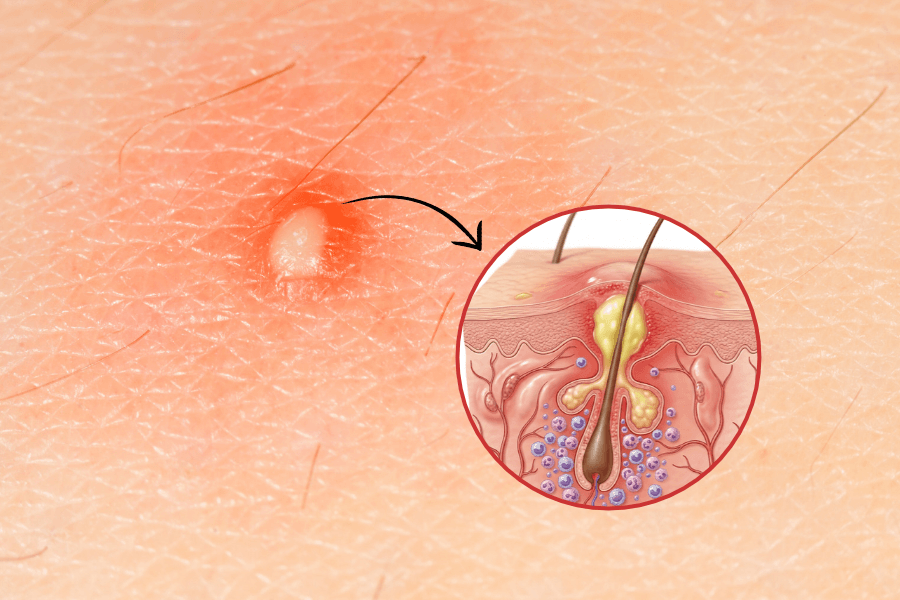
Skin along the jaw and chin has more androgen-sensitive oil glands than almost anywhere else on the face. Androgens — mainly testosterone — are present in every woman’s body. Normally, not an issue. But when androgen levels spike or fluctuate, those glands react fast. They produce more oil. That oil gets trapped. Bacteria move in. This can contribute to deep, inflamed acne that may not respond sufficiently to over-the-counter treatments alone.
Recurring breakouts in the same area may reflect an underlying hormonal pattern.
Five things that set it off
1. Your period
The days before menstruation are when most women see the worst flares. Oestrogen falls. Progesterone climbs. Oil production increases and follicle walls swell slightly — enough to trap sebum and create the conditions for a deep breakout. It shows up around day 21 or 22. In some people, these breakouts may persist beyond the menstrual period.
2. PCOS
With polycystic ovary syndrome, androgen levels are elevated most of the time — not just at certain cycle points. Acne linked to PCOS is persistent rather than cyclical. It does not really clear between flares. Other signs often present alongside it: irregular or absent periods, increased hair growth on the face or body, difficulty losing weight. If that profile fits, a hormone panel is the starting point — not another topical treatment. Further medical assessment may be appropriate.
3. Stress
When cortisol rises, the adrenal glands produce more androgens as a byproduct. Stress-related jawline acne has no fixed timing. It is not tied to a cycle. It just stays active during high-pressure periods and flares when things get worse. Sleep disruption may contribute to worsening symptoms.
4. Contraceptive changes
The type of progestin in a combined pill matters. Some progestins have androgenic activity — they can make hormonal acne worse, sometimes significantly. Stopping the pill after long-term use also disrupts hormone balance and can trigger a major flare that lasts months. If your acne started or changed after a contraceptive switch, that there may be a relationship worth discussing with your doctor.
5. Hormonal shifts with age
Oestrogen declines gradually from the mid-30s onward. As it does, androgens become relatively more dominant. Women who had clear skin for most of their adult lives sometimes develop persistent jawline acne in their late 30s or early 40s with no obvious trigger. The trigger is the shift itself.
How to tell it apart from other jaw acne
Not everything on the jawline is hormonal. Friction acne from face masks, chin straps, or phone screens produces breakouts in pressure zones. It tends to be shallower — small whiteheads or pustules — and may improve with appropriate management.
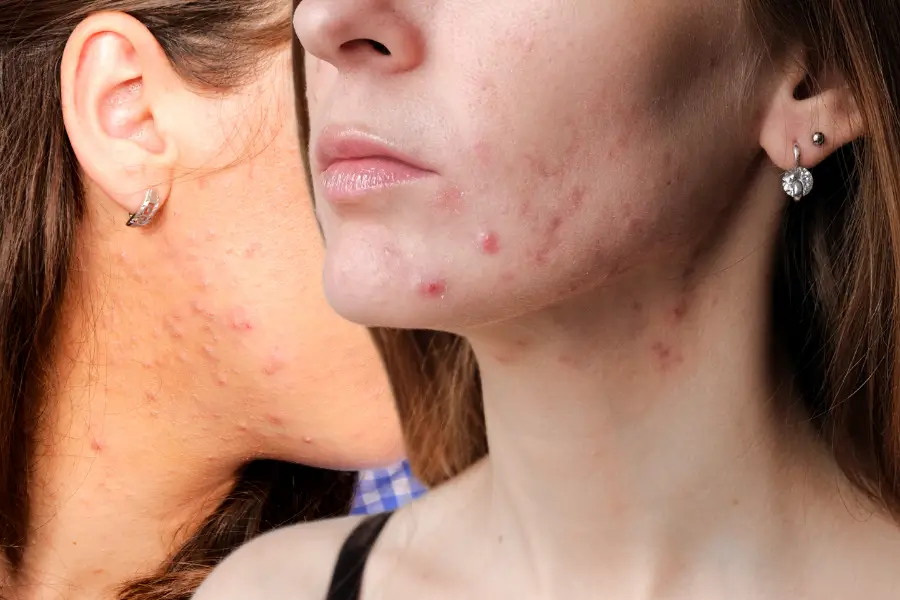
According to the Australasian College of Dermatologists, hormonal acne in adults most commonly appears around the lower cheeks, jawline and neck — and lesions are often tender and long-lasting. This may help distinguish it from contact or bacterial acne.
Hormonal acne often has different clinical features:
- Nodular and deep, not surface-level
- Painful before it is visible
- Appears in the same locations repeatedly
- Timing links to cycle, stress, or a hormonal event
- May not respond adequately to over-the-counter treatments.
- Began in adulthood, not adolescence
If the description above matches what you are dealing with, a hormonal cause may be contributing and clinical assessment may be appropriate.
Treatments options
Tretinoin
A prescription-strength retinoid. Accelerates cell turnover and helps reduce the follicular blockages that hormonal oil surges turn into cysts. Does not address the hormone side directly but removes one of the main steps between hormonal trigger and visible breakout. Prescription only in Australia. Takes around eight to twelve weeks before results are clear. Requires consistent use — benefits may reduce if treatment is discontinued.
Spironolactone
For many women with persistent hormonal jawline acne, spironolactone is commonly prescribed for women with persistent hormonal acne where clinically appropriate. Spironolactone blocks androgen receptors in the skin, directly reducing the oil-stimulating effect of androgens at the source. This may reduce androgen-related stimulation of sebaceous glands. Prescribed off-label in Australia for acne. Needs a GP or dermatologist to prescribe. Not appropriate during pregnancy. Blood pressure monitoring may be needed during early treatment.
Combined oral contraceptive pill
Certain combined pills reduce circulating androgens and smooth out the hormonal fluctuations that drive cycle-related flares. Some are TGA-approved for acne management in Australia. An option worth discussing with your doctor if you also need contraception. Does not fix underlying hormonal conditions like PCOS but may help manage acne symptoms in some women.
Niacinamide and azelaic acid
Both are available without a prescription. Anti-inflammatory, well-tolerated, and useful for reducing redness and post-breakout marks. It may not be sufficient alone for moderate to severe hormonal acne — use them alongside prescription acne treatment.
Diet
High glycaemic foods spike insulin-like growth factor 1. IGF-1 stimulates androgen output. Cutting back on refined carbohydrates and sugar is not a cure but it may reduce one contributing factor. Spearmint tea has shown mild anti-androgenic activity in small studies. It is not a treatment. It is a low-risk addition if you want to cover every base.
At what point to see a dermatologist
If OTC products have not produced meaningful improvement after six weeks — professional assessment may be appropriate if there has been insufficient improvement.
Cystic, scarring acne linked to a hormonal pattern may require prescription treatment. Services like Acne Express provide one option for accessing professional assessment — it is an online dermatology platform built specifically for acne, where you can consult with a practitioner and access prescription-strength treatments for an in-person specialist appointment. Tretinoin, spironolactone, or an appropriate oral contraceptive — treatment selection depends on individual clinical circumstances on your hormonal profile, and a qualified practitioner will guide that decision.
As Healthdirect Australia notes, there are many safe and effective acne treatments available — but it takes patience and the right treatment to see genuine improvement.
Cystic acne scars. Those scars are permanent. Early assessment may help reduce the risk of long-term scarring if avoiding long-term skin damage matters to you.
One last thing
Hormonal jawline acne is not a hygiene issue, a diet failure, or bad luck with skin. It is a physiological response to hormonal activity. Hormonal factors are a recognised contributor. A range of treatment options is available. Management is guided by the underlying cause, and some over-the-counter products may not be sufficient for hormonally influenced acne.
Frequently Asked Questions
The oil gland in that spot is androgen-sensitive. Every time your androgen levels shift — before your period, under stress, or due to a hormonal condition — that gland reacts. Recurrence in the same area may reflect an underlying hormonal pattern. Addressing underlying hormonal factors may be an important part of management.
No. Friction from masks, phones, or chin straps causes contact acne along the jaw. That type is usually shallow and clears with simple adjustments. Deep, recurring, cycle-linked breakouts in fixed locations may suggest a hormonal contribution.
Oestrogen drops in the lead-up to menstruation and progesterone takes over. That switch increases sebum production and causes minor swelling in the follicle — enough to trap oil and produce a deep cyst along the jaw.
Treatment depends on the individual’s presentation. Options may include topical retinoids, spironolactone, or combined oral contraceptives where clinically appropriate. If hormonal contraception is also needed, a low-androgenic combined pill can work alongside or replace spironolactone depending on the clinical picture. A dermatologist or GP familiar with hormonal acne will recommend the right combination based on your individual history.
For some women, acne improves as hormone levels stabilise with age. But if breakouts are cystic and already leaving marks, persistent inflammatory acne may increase the risk of scarring over time. Appropriate treatment may improve symptoms and help reduce the risk of scarring.
Yes. Platforms like Acne Express offer online consultations with practitioners who specialise in acne management. Telehealth consultations may include discussion of prescription treatment options where clinically appropriate — tretinoin, spironolactone, or a suitable combined oral contraceptive — from wherever you are in Australia. For anyone outside a capital city or with a packed schedule, it may be a suitable option for some patients.
Disclaimer: This article is for general informational purposes only and does not constitute medical advice. Individual results vary. Consult a registered healthcare professional before starting any acne treatment. All treatments mentioned require appropriate clinical assessment. Prescribing decisions are made by qualified practitioners based on individual patient history and clinical presentation.