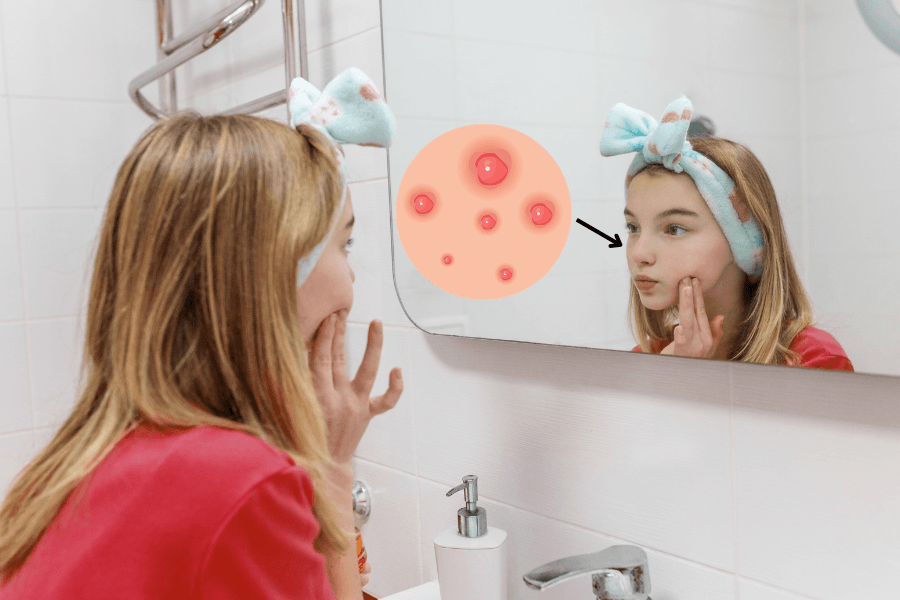
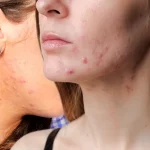
Why do pimples keep appearing in the same spot?
Finally get rid of a spot. Three days later—maybe a week tops—another one shows up in exactly the same place. Same throbbing pain. Same frustration.
At some point, that patch of skin starts feeling cursed.
Thing is, it’s not cursed. There’s usually one specific reason pimples keep targeting the same location, and addressing that reason can help reduce how often they return.
At Acne Express, people come in constantly with this exact complaint. Been treating the same spots for months, sometimes years, without getting anywhere. Turns out they’re treating symptoms instead of fixing what’s actually broken underneath.
Sometimes it’s hormones following the same monthly pattern. Sometimes it’s a phone that hasn’t been cleaned in six months getting pressed against the same cheek spot. Sometimes it’s picking at spots without realising it. Often it’s multiple things combined.
Here are the five most common reasons and what can help reduce recurrence.
What is recurring acne?
Definition of recurring or chronic acne
Recurring acne isn’t the occasional breakout after a rough week or dodgy meal. It’s the same areas erupting over and over—every few weeks, sometimes more often. Skin gets stuck inflaming the same follicles on repeat.
Dermatologists separate this from just having acne-prone skin. It’s not random spots appearing everywhere. It’s specific locations that won’t quit, no matter what gets thrown at them.
Is it normal for acne to reappear in the same spot?
Yeah, happens all the time. Once a pore goes through a serious inflammatory episode, it gets damaged. Follicle walls stretch or scar, making it easier for oil and bacteria to get trapped again later.
Similar to a drain that keeps blocking. Normal drains work fine. But a drain with structural damage becomes a recurring headache. Pores work the same way—damage them once and they’re vulnerable forever.
Reason #1: Clogged pores that never fully heal
How incomplete healing causes repeat breakouts
Sometimes pimples look healed on the surface while gunk sits trapped underneath. Oil, dead skin, bacteria just hanging out where nobody can see it. Dermatologists call these micro-comedones—invisible troublemakers.
More oil piles on top of this hidden blockage. Bam, another pimple. The original problem never got cleared out properly.
Common mistakes that prevent proper healing
Picking tops the list. Doesn’t matter how careful someone thinks they’re being—squeezing pushes bacteria deeper and wrecks follicle walls. Makes everything worse every single time.
Stopping treatment too soon is another classic mistake. Spot disappears so treatment stops. But pores need way longer to actually recover. It’s like quitting antibiotics halfway through—job’s not done.
Harsh products cause problems too. Scrubs, strong acids, washing constantly thinking more is better. Just irritates everything, slows healing, triggers defensive oil production. Things get worse instead of better.
How to fix it
Gentle exfoliation works better than scrubbing. Salicylic acid or mild AHA clears dead skin without destroying the skin barrier.
Keep treatment going for weeks after spots vanish. Pores need proper recovery time even when nothing looks wrong.
Patience helps. Good moisturiser repairs the barrier. Backing off harsh products gives skin time to actually heal instead of just looking temporarily better.
Reason #2: Hormonal fluctuations target the same area
Why hormonal acne is location-specific
Hormonal spots aren’t random attackers. They’ve got preferred targets—jawline, chin, lower cheeks. These zones are loaded with sebaceous glands that react to hormonal changes. Hormones fluctuate (period coming, work stress, terrible sleep) and these glands flood with oil, overwhelming the same follicles month after month.
Breakouts hitting the same spots each month? Hormones targeting specific real estate on the face.
Signs your recurring pimples are hormonal
Timing gives it away. Spots showing up the same time every month—especially the week before periods—that’s hormones practically shouting at you.
Feel different too. Deeper, more painful, brewing under the surface before anything shows. Take ages to surface and leave marks that stick around for months. The kind that hurt when touched or when resting a hand on the face.
What helps hormonal recurring acne
Lifestyle stuff helps a bit. Managing stress better, sleeping properly, eating relatively well instead of living on coffee. Won’t cure hormonal acne but dials down how severe flare-ups get.
Topical treatments like retinoids or azelaic acid manage oil production, keeping pores clearer between hormonal surges.
Stubborn hormonal acne? Medical options exist. Certain oral medications regulate hormones that trigger breakouts. But that needs an actual doctor conversation, not internet research. Healthdirect Australia provides comprehensive information about acne treatment options.
Reason #3: Bacteria lurking beneath the skin
How acne-causing bacteria survive in the same spot
C. acnes (Cutibacterium acnes officially) causes inflammatory acne and it’s annoyingly good at surviving. Gets established in a damaged follicle and hangs around even after visible pimples clear.
These bacteria sometimes form biofilms—protective shields making them harder to kill. Surface infection gets treated, bacteria underneath waits, causes trouble again later.
Why antibiotic or DIY treatments may fail
Overusing antibiotics creates resistance. Bacteria evolve, stop responding to treatment. People use the same topical antibiotic for months, wondering why it quit working after a few weeks. That’s why. This is one reason treatments may become less effective over time.
DIY treatments don’t penetrate deep enough or get used consistently enough. Knock down inflammation temporarily, bacteria survives underneath, comes back strong.
How to reduce bacterial recurrence
Benzoyl peroxide kills C. acnes without causing resistance problems. Warning though—harsh stuff that bleaches towels and pillowcases. Start with lower concentrations (2.5% or 5%) before jumping to stronger versions.
Non-comedogenic skincare matters here. Don’t feed bacteria with products that clog pores.
Professional treatments—prescription topicals, oral medications—target persistent bacterial infections way better than chemist products.
Reason #4: Physical irritation or repeated friction
Acne mechanica explained
Breakouts from stuff repeatedly rubbing, pressing, or creating friction against skin. Constant irritation inflames follicles. Chuck in heat and sweat—perfect pimple conditions.
Common everyday triggers
Face masks became massive culprits recently. Wearing them for hours creates warm, sweaty environments clogging pores along jawlines and chins.
Phones are filthy. Most people never clean them properly. Pressed against cheeks multiple times daily, transferring oil, bacteria, makeup, whatever else directly onto skin.
Helmets for cyclists or motorcyclists. Glasses sitting on noses or cheeks all day. Pillowcases when always sleeping the same side and washing monthly (happens to everyone, but needs fixing).
All cause recurring spots in specific locations based on where they contact skin.
How to prevent friction-based recurring acne
Clean phones every day. Actually clean them with antibacterial wipes, not just wiping on jeans.
Wash pillowcases at least twice a week. Annoying but makes genuine differences.
Wearing masks regularly? Take breaks when possible, choose breathable fabrics. Wash face after helmets or hats—don’t let sweat and oil sit there.
Sometimes just sleeping on the other side or adjusting glasses fixes it. Small changes stopping friction-inflammation cycles.
Reason #5: Underlying acne scars or structural skin damage
How acne scars trap oil and bacteria
Depressed acne scars (the indented kind) create pockets where oil, dead skin, bacteria accumulate. Don’t drain properly like healthy skin does.
Enlarged pores from previous inflammation trap way more sebum and debris than normal pores. Get blocked over and over.
Why scarred areas are prone to repeat pimples
Scarred follicles have damaged, weakened walls. Scarred follicles often have weakened or altered walls. More fragile than healthy ones. When they clog, they’re more likely to rupture. Rupturing spreads infection into surrounding tissue, causing new pimples around original scars.
Vicious cycle. Scars create breakout-prone areas. Breakouts worsen scarring. Round and round.
Treatment options for acne-prone scars
Retinoids help normalise how scarred skin functions, reducing clogging frequency.
Deeper scarring? Procedures like chemical peels, microneedling, laser treatments remodel scar tissue, reduce bacteria-trapping. Not quick fixes—multiple sessions over months—but genuinely improve problem areas long-term.
How to stop pimples from coming back in the same spot
Daily skincare habits that matter
Cleanse properly. Not four times daily—gentle, consistent cleansing morning and night. Keeps pores clear without irritation.
Moisturise even with oily skin. Seems backwards but dehydrated skin compensates by producing more oil, worsening recurring acne.
Sun protection daily. UV damage weakens skin, worsens scarring, makes vulnerable spots more prone to future breakouts.
When to see a dermatologistor use online acne treatment
Been consistent with chemist products for two or three months, still getting recurring spots in the same locations? Need professional help.
Don’t wait for permanent scarring. Persistent inflammation damages skin—some irreversibly. Getting proper treatment sooner prevents long-term problems. Better Health Channel offers guidance on when to seek professional acne treatment.
Online services like Acne Express make this easier. Expert assessment, prescription access without booking time off work, sitting in waiting rooms.
Myths about pimples in the same spot
"It’s just bad luck"
Nope. Recurring spots nearly always have fixable physical causes—damaged follicles, hormones, bacteria, friction, scarring. Figure out which applies, address the actual problem instead of hoping it magically stops.
"You didn’t clean your skin properly"
Annoying myth. Overwashing and harsh cleansing often worsen recurring acne significantly. Problem usually isn’t dirty skin—damaged pore structure or unaddressed underlying triggers.
Scrubbing harder doesn’t fix structural follicle damage.
"It’s always hormonal"
Hormones cause heaps of jawline and chin spots. Not everything though. Plenty of people get recurring spots from friction, bacterial persistence, incomplete healing—nothing to do with hormones.
Assuming everything’s hormonal means potentially missing actual causes, wasting months on wrong treatments.
Frequently asked questions
Because the underlying cause—damaged follicle structure, persistent bacteria, hormonal triggers, scarring—hasn’t been addressed. Surface treatments reduce visible inflammation temporarily. Root causes remain, pimples return.
Like bailing water from a leaking boat without fixing the hole. Treating symptoms, not causes.
Usually not. Most times means particular pores got damaged, need more targeted treatment.
Severe painful recurring cysts though? Sudden adult acne when never had it before? Worth checking out. Could indicate hormonal conditions or health issues needing proper medical attention.
Stress messes with hormones, triggering increased oil production in areas prone to hormonal acne. Weakens skin barriers and immune responses too, making bacterial inflammation easier in already vulnerable follicles.
Doesn’t directly create pimples in specific locations but absolutely triggers flare-ups in areas already prone to recurring acne. Stress breakouts hitting the chin constantly? Common pattern.
Depends on damage severity. Generally several weeks to months for proper structural healing.
Surface healing happens fast—week or two maybe. Deeper follicle structure healing takes way longer. Need to keep treating areas minimum 6-8 weeks for real, lasting improvement.
Stopping treatment when spots disappear is quitting too early.
Disclaimer: This article provides general educational information about acne and isn’t meant to replace professional medical advice. Experiencing persistent or severe acne? Consult a qualified healthcare practitioner. Individual results from treatments vary significantly between people. Always seek personalised medical advice for specific skin concerns.