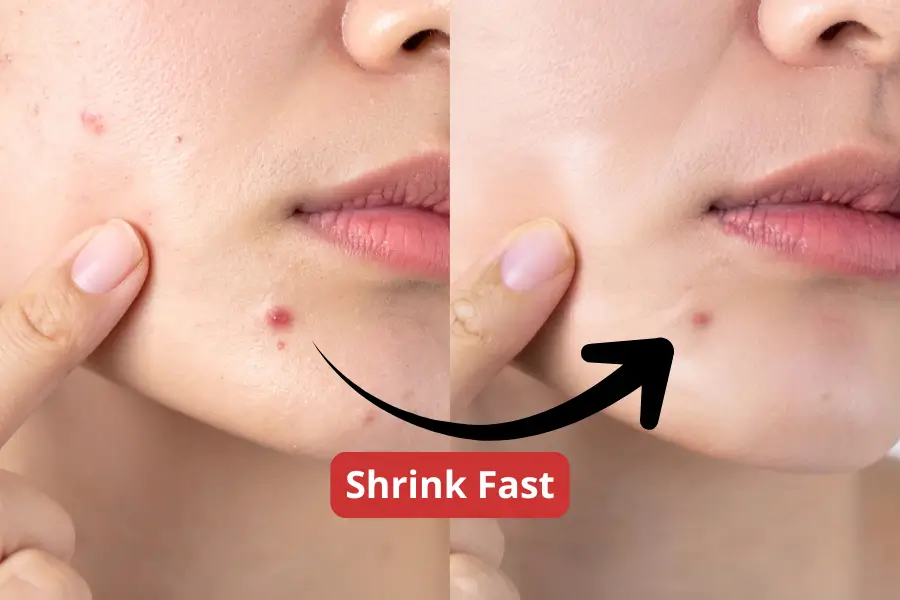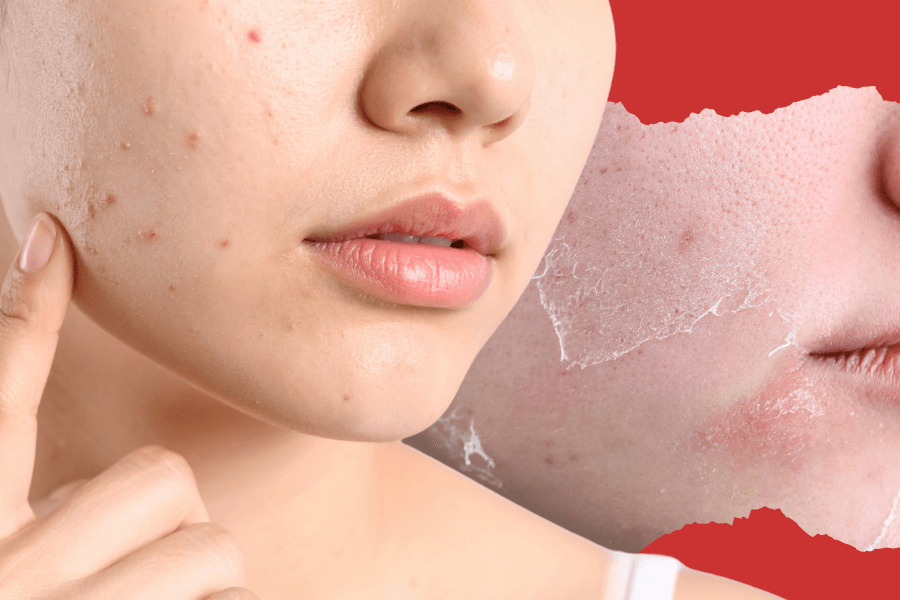
Ever had that moment where your skin feels like sandpaper but still sprouts pimples? Dry skin pimples hit different—they’re sneaky, frustrating, and make you question everything in your skincare drawer. At Acne Express, we’ve seen this combo trip up tons of folks, but the good news is a few smart tweaks can turn it around without the drama. Some clients have found improvement after adjusting their routine, though individual results differ.
Why dry skin still gets pimples
Here’s the thing: people think pimples only crash oily skin parties. Nope. Dryness sets off its own chain reaction. Skin gets parched, cracks a bit on top, and suddenly irritation sneaks in around your pores. Then your glands panic and pump out extra oil to "save" things, even though the surface looks like a desert. It’s this rebound effect—your skin overcompensates, and this can lead to clogged pores.
Stuff like hormones, wonky genes, dry air blasts from AC, or that one time you went ham with a harsh face wash? All culprits. You end up with flaky cheeks but angry red bumps on your chin. It’s like your skin’s yelling for help in two languages at once. And don’t get me started on winter—low humidity sucks moisture right out, leaving you battling tightness by noon. Lifestyle plays in too: long showers, spicy foods that trigger oil spikes, even stress hormones like cortisol that crank up inflammation.
Dry flaky skin and pimples
Dry flaky skin and pimples go hand in hand more than you’d think. Picture this: little white flecks dusting your nose and mouth area, with pink spots lurking right below. Those flakes? Dead cells that should’ve sloughed off but got stuck instead. In dry conditions, your skin’s natural shedding hits pause, turning smooth renewal into a clumpy mess.
Toss in some sebum from stressed glands plus daily grime, and bam—pore plug city. Whiteheads form, blackheads follow, inflammation kicks in, and hello pimple. We’ve chatted with clients who ignored the flakes, chased the zits, and just looped back worse. Balance both, or you’re spinning wheels. Pro tip: if your foundation looks cakey over flakes, that’s your skin begging for gentler care before makeup even enters the chat.
Dead skin cells clogging pores
Dead skin cells clogging pores sneaks up on dry skin types quiet-like. Normally, your skin sheds old cells smooth as silk. But dryness messes that rhythm—cells clump, especially along the jaw and nose where oil hides out. No moisture means no "slip" for cells to slide away; they glue together instead.
Oil can’t escape, bacteria parties inside, breakout alert. Gentle exfoliation once a week may help without overly compromising the skin barrier, but only if you hydrate right after. Skip that, and you’re back to square one faster than you think. Think of it like a traffic jam: dead cells block the highway, oil backs up, and inflammation calls the cops.
The role of your skin barrier
Your skin barrier’s like that bouncer at a club—keeps the good vibes in, trouble out. Strong? Moisture sticks around, no freakouts over pollen or wind. Weakened from stripper products or winter chill? Gaps let irritants crash, water bolts, hello stingy redness. Ceramides, those fatty lipids in the outer layer, hold it all together; dryness depletes them fast.
Skin flips to defense: flares up, gets touchy, cranks oil near clogged spots. Fix the barrier first—that’s your ticket out of the dry skin pimples loop before you even think spot zappers. Signs it’s damaged? Tightness after washing, easy blushing, or random itchiness. Patch test new stuff on your inner arm to avoid full-face regret.
Sample Routine for Dry Acne-Prone Skin
Want a no-brainer starter plan? Here’s what works for most folks at Acne Express—adjust based on your sensitivity:
AM: Gentle cleanser → Niacinamide serum (calms redness, balances oil) → Gel-cream moisturiser → SPF 30+ (mineral-based, non-greasy)
PM: Same gentle cleanser → Adapalene or Azelaic acid (2–3x/week only, pea-size) → Ceramide-rich moisturiser (locks it all in overnight)
Pro moves: Apply actives to bone-dry skin, wait 20 mins before moisturiser. Skip actives on sore nights—moisturise solo. This setup fights pimples without the peel-fest. Some people may notice improvement in 2–4 weeks, though results vary. Need custom tweaks? Snap your routine to Acne Express for pro eyes.
Building a gentle routine that works
Keep it dead simple for dry skin pimples: morning and night, cleanse-treat-moisturise, slap SPF daytime. Fewer steps mean less chance to irritate. Go for stuff that sinks in comfy, not the tight-pullers or grease bombs. Consistency beats perfection—stick with it for 4-6 weeks before judging.
Test run: wait 10 minutes post-routine. Tight or red? Dial back. Shiny overload? Lighten up. Acne Express tweaks this for you based on pics and your story—gentle wins over "miracle" every time. Layer thin: cleanser first, wait to dry, then treatment, then cream. Rushing layers can trap stuff and worsen clogs.
Choosing a cleanser that doesn’t strip
First move’s the cleanser, and for dry types, grab a gentle cleanser for dry acne that whispers clean, not screams. Ditch the foam monsters; think creamy or milky gels that lift dirt without gutting oils. Benzoyl peroxide or salicylic acid versions work if they’re hydrating—look for hyaluronic acid backups.
Lukewarm water, 30-second massage, pat dry soft. Twice daily max. Squeaky feel? Too much—sets off rebound oil and more zits down the line. Clients swear by this switch alone for calmer mornings. After sweating? Quick rinse, no scrub. Overdo it, and you’re stripping barrier gold.
Finding the best moisturiser for dry acne-prone skin
Moisturiser haters, listen up: skipping it makes dry skin pimples worse. The best moisturiser for dry acne-prone skin cushions your actives and seals in water without pore drama. It’s your barrier’s best buddy. Gel-creams over lotions—they lock in without greasiness.
Hunt gel-creams with hyaluronic acid, ceramides, niacinamide—light, flake-melting heroes. Slather after treatments; watch tightness fade, tone even out over weeks. Feels like your skin finally chills. Apply on damp skin post-cleanse for extra pull. Niacinamide bonus: calms redness while regulating oil.
Why “non-comedogenic” is worth paying attention to
Spot "non-comedogenic" on a jar? Gold for us. A non-comedogenic moisturiser for dry skin hydrates sans the clog risk—perfect when dryness meets bumps. No heavy oils trapping gunk overnight. Test it: if new pimples pop after 2 weeks, swap.
Nighttime repair without wake-up regrets. Swap your thick cream for one? Skin breathes easier, flares drop. Small label read, big payoff. Pair with SPF daytime—mineral ones like zinc sit lighter on dry textures.
Acne treatment for sensitive dry skin
Actives on dry, fussy skin? Tread light. An acne treatment for sensitive dry skin pairs slow intros with moisture armor. Overuse of retinoids can cause irritation, peeling, or breakouts. Start adapalene or azelaic acid low and slow—pea-size, 2x week.
Dry skin first, moisturise heavy after. Sore? Pause. Acne Express maps your sweet spot—clearer skin that doesn’t hate you back. Topical antibiotics short-term if bacteria’s raging, but barrier support always. Avoid mixing strong actives same night.
Extra habits that seal the deal
Beyond routine, tweak daily life. Humidifier in dry rooms? Game-changer—aim 40-60% humidity. Short, warm showers max 10 mins; pat dry fast, moisturise in 3 mins. Ditch fragranced everything—laundry sheets too.
Some people find reducing certain foods or including omega-3s may help, though responses vary. Sleep propped if chin zits rule—pillowcases breed bacteria. Weekly mask? Plain yogurt or aloe—20 mins, gentle wipe. No scrubs!
When to ask for personalised help
Routine tweaks help most dry skin pimples, but cystic beasts or endless stinging? Time for backup. Deep nodules scarring up or everything burns? Seek professional advice if acne is severe, persistent, or causing scarring.
Acne Express dives into your routine snaps, habits, all that—and cooks up a custom plan. This approach may help maintain hydration and support clearer skin over time. Consistent care may improve skin barrier and reduce breakouts over time.
Disclaimer: This article is for informational and educational purposes only and does not constitute medical advice, diagnosis, or treatment. Always consult a qualified healthcare professional before starting any skincare routine, using new products, or making changes to your health regimen. Acne Express provides general guidance based on common practices; individual results vary, and reliance on this content is at your own risk.