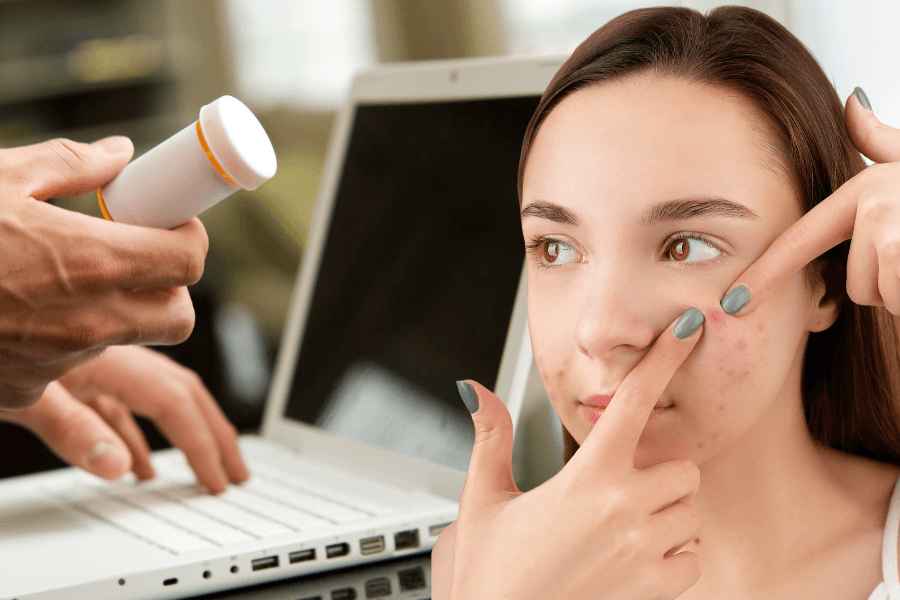
An online acne prescription is something a doctor decides on during a telehealth call. First, the doctor reviews your skin concern and relevant health information. You can’t just pick one off a menu. A consultation may not result in a prescription if the doctor considers another management approach more appropriate.
So what is it like? If you’ve been meaning to get your skin checked but keep putting it off, this guide is for you. Here’s what an acne telehealth consultation looks like, from booking to follow-up. We also answer the questions people ask most before they book.
What is an online acne prescription?
An online acne prescription is a prescription issued following a telehealth consultation with an appropriately registered medical practitioner, when the doctor considers prescription treatment clinically appropriate. The doctor will only write one if they think it’s the right step for you.
An online doctor for acne might tell you to stop using harsh scrubs. They might suggest a gentle cleanser. Or they might ask you to give a product from the chemist a fair go first. Some people need to be seen in person. It all comes down to your skin.
The same professional and prescribing obligations apply when medical care is provided by telehealth. Doctors must meet the requirements that apply to their registration, prescribing and clinical practice. Doctors must be on the AHPRA register. They must also follow the Medical Board of Australia’s rules for telehealth. These requirements include appropriate clinical assessment, documentation and consideration of whether prescribing is appropriate for the individual patient.
How an online acne consultation works
Each provider does things a bit differently. But most online acne consultations go something like this.
Step 1: Book your acne telehealth consultation
Pick a time on the website. The call will be by phone or video. Find a quiet spot to take it. Choose a private, quiet location where you can speak openly with the doctor.
Step 2: Fill in a health form
You’ll get a short, private form to fill in first. It asks how long you’ve had acne and where it shows up. It asks what you’ve tried so far. It also asks about your health, such as any meds, allergies, and whether you’re pregnant or plan to be. This information can affect which treatments may be appropriate.
Keep your skin products close by while you fill it in. Most of us know the brand of our cleanser, but not what’s in it. Yet what’s in it is often just what the doctor needs to know.
Step 3: Send photos of your skin
You’ll likely be asked for photos of the spots that bother you. That might be your face, jawline, chest, or back. Stand near a window in the day if you can. Bathroom lights make skin look flat. Skip the makeup and the filters. Take one shot from the front and a couple from the side.
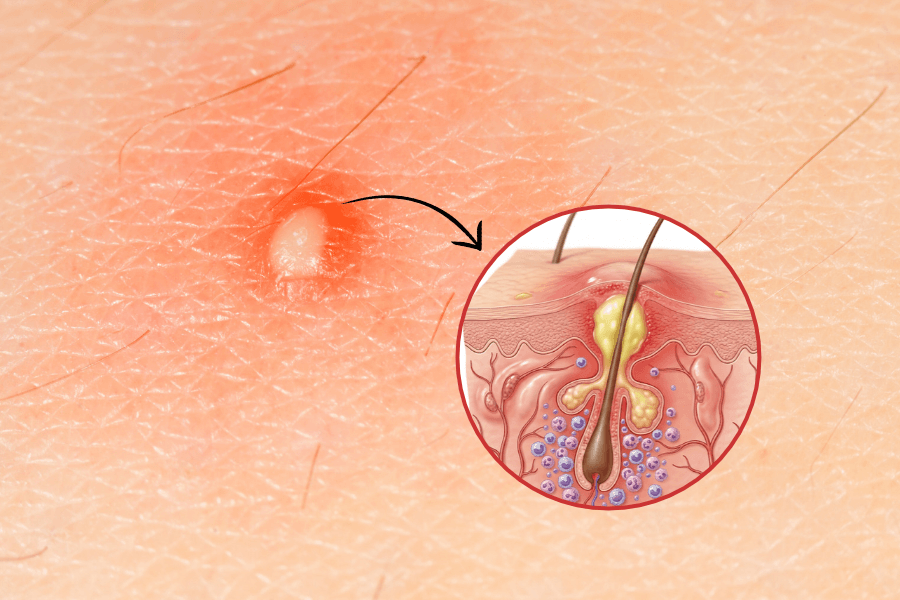
These photos help the doctor assess the appearance and distribution of your acne. Different acne lesions can have different appearances and may require different management approaches.
Step 4: Speak with an acne doctor online
Your chat with an acne doctor online in Australia is live. By the time you’re on the call, the doctor has read your form and seen your photos. So expect a few more questions. Does your skin flare up at certain times of the month? Has anything made it worse? What happened with the last product you tried?
Tell them if you’re worried about scars. Tell them about any bad reactions you’ve had. Small details like these can change the advice you get.
A prescription decision should be based on an appropriate clinical assessment rather than information provided through a form alone. Depending on the circumstances, the doctor may determine that further assessment or an in-person examination is required.
Step 5: Agree on a plan
The doctor will discuss their assessment and the management options they consider appropriate. Sometimes it’s quite simple, like a change to your routine. Sometimes it’s a referral. A script is only on the table if the doctor thinks it’s right for you. If you get one, they’ll tell you how to use it, what side effects to watch for, and when to check in again.
Step 6: Follow up on your progress
This is the part people tend to skip. Acne is slow. You might not see much change for a few weeks. That’s often when people give up, or start piling on more products. Follow-up calls keep your plan on track and let the doctor tweak it if need be. Follow-up appointments can help the doctor review your response to treatment, discuss any side effects or concerns, and adjust the management plan where appropriate.
Why Australians choose telehealth acne treatment
One potential advantage of telehealth is that it can remove the need to travel to a clinic. Depending on where you live and the appointment arrangements, this may reduce time away from work, study or other commitments. If you live a few hours from the nearest clinic, that counts for even more.
Then there’s comfort. Talking about your skin can feel quite personal, even with a doctor. Some people just find it easier from their own couch. Remote follow-up may also be convenient for some patients, depending on the condition and provider availability.
When an online acne consultation may suit you
If your acne persists despite your current routine, keeps recurring, is becoming painful, or is leaving marks or scars, professional assessment may be appropriate.
Telehealth isn’t right for everything. Sore lumps under the skin, signs of infection, or a rash that spreads fast may need a doctor to see you in person. Your doctor will tell you if that’s the case.
Online acne prescription vs in-person GP visit
Both online and in-person consultations involve clinical assessment and discussion of appropriate management, but the information available to the clinician differs depending on the setting. A doctor checks your skin and suggests a plan. That plan may or may not include a script.
The main difference is the format. A GP can look at your skin up close, which helps with tricky cases. Telehealth may be suitable for some mild to moderate acne presentations, provided the clinician has enough information to assess the condition and determine whether remote management is appropriate.
Conclusion: understanding the online acne prescription process
An online acne prescription is issued following a clinical assessment by a medical practitioner when prescription treatment is considered appropriate. It’s only written when a script makes sense for your skin and your health. Knowing what happens at each step means you’ll go into your call ready, with a clear idea of what to expect.
If your skin has been bugging you for a while, you can book an online acne consultation with a doctor at Acne Express and talk it through.
Frequently asked questions
Whether prescription treatment is appropriate depends on the individual clinical assessment. The doctor will consider your skin concern, relevant medical history, current medicines, allergies and other factors before deciding whether to prescribe. Telehealth consultations remain subject to applicable professional and prescribing requirements. Be honest on the form. And tell your doctor or chemist if anything feels off once you start.
Telehealth can be suitable for assessing some acne presentations. Clear photographs and a detailed medical history can provide useful information, but some presentations require an in-person examination. When that’s not enough, the doctor may ask to see you in person or send you to a skin specialist.
Not always. Some mild acne can be managed with appropriate over-the-counter skincare, while persistent, painful or more severe acne may benefit from professional assessment. Not sure if you need to see a doctor for acne treatment? It’s worth getting advice if your acne hangs around, hurts, leaves marks, or gets you down.
Prescription requirements depend on the medicine, the patient’s circumstances and the applicable professional and prescribing rules. The doctor needs sufficient information to make an appropriate clinical assessment and determine whether prescribing is appropriate. You may also need to provide information to confirm your identity, medical history, current medicines and other relevant details.
If you’re given a script, it will most likely come as an eScript. An eScript is generally provided electronically, often as a token or QR code sent to your phone or email. An eScript can be dispensed by a pharmacy in accordance with the prescription and applicable requirements. Show the code at the chemist of your choice. The chemist will do their own checks and then hand it over.
Acne treatment often takes time, and the timeframe for improvement varies depending on the treatment and the individual. Your doctor can discuss what to expect and when your treatment should be reviewed.
Disclaimer: This article is general info only. It is not a substitute for advice from your own doctor. Any choice about treatment is made by a doctor after a one-on-one check.