First it was the cleanser your friend swore by. Then a new moisturiser. Then another one, because the first felt too heavy. You’ve even (mostly) stopped picking. And the breakouts? Still turning up.
It’s a common spot to be in. A lot of people searching for acne solutions in Adelaide have already spent a fair bit on products by the time they start wondering whether a doctor could help. Often, they can. And these days you don’t necessarily need to book time off work to find out.
So let’s go through it. Why acne can be so stubborn, how an online consult actually works, a few things you can do at home, and when it’s better to be seen in person.
Why acne can be hard to manage on your own
Here’s the frustrating bit. Acne that looks the same on two people can have different things driving it.
A 16-year-old with blackheads on the nose and a 30-year-old with sore lumps along the jawline every month are both dealing with “acne”. But they probably won’t need the same approach.
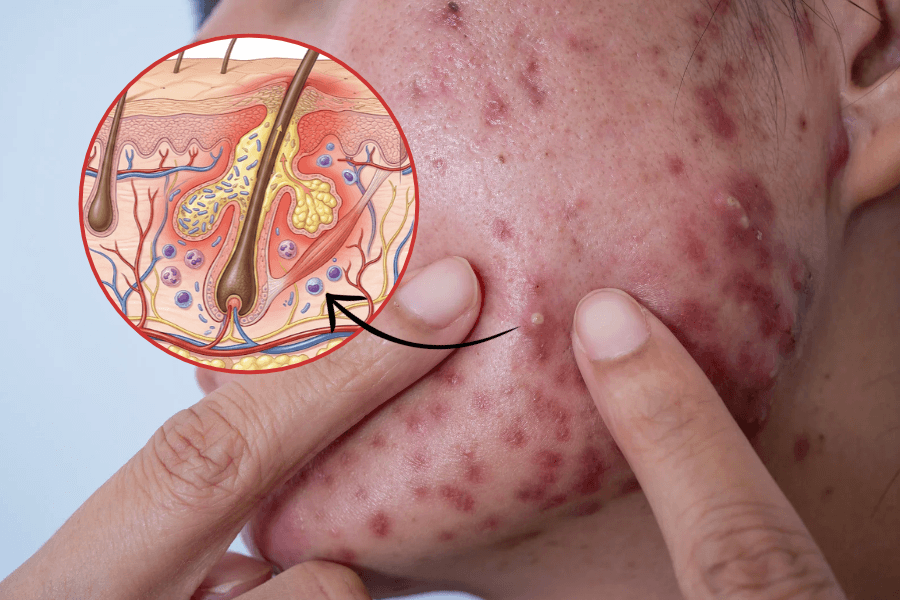
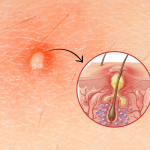
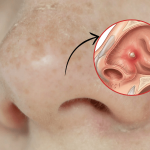
What’s happening under the skin usually involves a few things at once. Oil glands start making more sebum, and hormones are often behind that. Dead skin cells don’t shed the way they should, so they clog the pore. Then Cutibacterium acnes, a bacterium that lives on everyone’s skin, can add to inflammation inside that blocked pore. That’s the point where a spot goes red and tender. (If you’d like a plain-English rundown of what causes acne, healthdirect has a good overview.)
On top of that, there’s life. Stress. A new hair product. Some medicines. Even a helmet strap or a phone pressed against your cheek during long calls.
Which is why a product that did wonders for your sister might do nothing for you. Sometimes it was the wrong fit for your type of acne. Sometimes it just didn’t get long enough to work. Knowing what might be contributing makes the conversation with a doctor much more useful when it comes to management options.
What doctor-led acne care involves
People sometimes assume online acne treatment is a bit of a shortcut. It isn’t. It involves a medical consultation, with the assessment conducted remotely rather than in person.
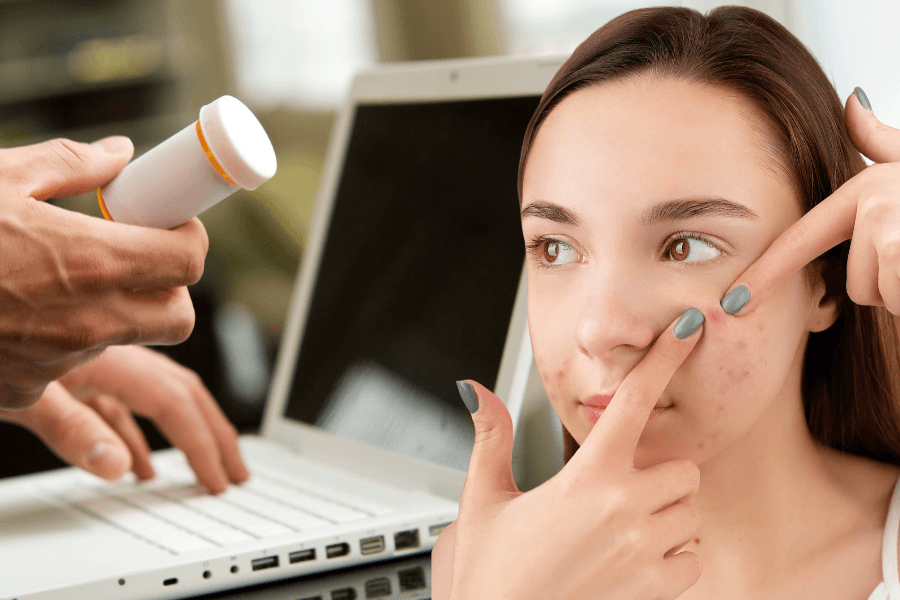
You’ll start with questions. How long have you had breakouts? What have you tried? Are you on any medicines? Anything else going on health-wise? Then you upload photos. A tip: take them near a window in daylight, from a couple of angles, rather than one blurry close-up in the bathroom.
A doctor goes through all of it. One of the first things they’ll decide is whether telehealth is the right fit for you at all. If it is, they’ll talk you through management options that may suit your skin, how to use them, and what to keep an eye on.
Acne doesn’t usually clear up in a week. So expect follow-ups. They’re how the doctor sees what’s working and tweaks things if needed. And if they want to examine your skin in person at any point, they’ll say so.
Why some Adelaide locals choose telehealth acne treatment
Honestly? Mostly time.
Skin appointments have a way of getting pushed back. Work runs late, the kids have sport, and suddenly it’s been six months. Telehealth acne treatment takes some of the hassle out of it. No drive into the city. No circling for a park. It doesn’t matter much whether you’re in Glenelg, Salisbury or up in Stirling.
Some people also just find it easier. Talking about your skin, and sharing photos of it, can feel less awkward from your own lounge room than across a desk.
Follow-up appointments can also be more convenient when they don’t involve travelling to a clinic.
That said, convenient doesn’t automatically mean good. Whoever you see for acne treatment in Adelaide, online or not, you should know who’s assessing you and when they’d want to see you face to face.
Acne treatment from home: everyday habits that may help
A good routine isn’t a substitute for a medical assessment. It can back up whatever you and your doctor decide on, though.
Go easy when you wash. Twice a day is enough for most people, and scrubbing harder usually just leaves skin angrier. Have a look at your labels too. If you break out easily, products marked non-comedogenic may be worth trying. (Spots along the hairline? Your shampoo or styling product could be worth a second look.)
Oily skin still needs moisturiser. A lot of acne products dry the skin out, and a light moisturiser helps protect the skin barrier. Sunscreen too. Adelaide gets strong UV for most of the year, and some acne products can make skin more sun-sensitive.
And try not to squeeze. It feels productive. It often isn’t, and it raises the chance of marks or scars.
Salicylic acid and benzoyl peroxide, both available over the counter, may help some people with mild acne. Give them time. Several weeks, usually, before you can really tell. Everyone’s skin responds differently. If you’ve stuck with something suitable for the recommended time and nothing’s shifted, it’s reasonable to talk to a doctor.
It’s also handy to keep notes. Nothing fancy. Where the spots show up, when they flare, what changed beforehand. New moisturiser? New tablets? Rough week at work? Snap a photo once a week in the same light. If you end up booking a consult, all of that helps.
Is it definitely acne?
Not always. Malassezia folliculitis (often called “fungal acne”) can look a lot like it, with small, itchy bumps that cluster on the chest, back or forehead. Rosacea and perioral dermatitis can throw up pimple-like spots as well. They’re different conditions, with different triggers, and they’re managed differently.
That’s part of why an assessment helps. You need to know what you’re dealing with before anyone can say which management options may be appropriate.
When to see a doctor in person
Telehealth works for plenty of people. Not everyone, though.
Consider an in-person assessment if you have deep, painful lumps or cysts, or if your acne is leaving dark marks or scars. These presentations may need closer examination and discussion of appropriate treatment options.
Same if acne has come on suddenly as an adult, especially with irregular periods or unusual hair growth. Seek prompt medical assessment if you notice possible signs of infection, such as spreading redness, increasing warmth or swelling, significant pain or fever. If you’re pregnant, breastfeeding or trying to conceive, tell your doctor before starting or changing acne treatment, as some medicines may not be suitable in these circumstances.
Think a medicine might be part of the problem? Don’t stop it or change it on your own. Talk to whoever prescribed it.
Considering an online acne consultation?
Acne Express offers online consultations for people seeking advice about acne and related skin concerns, including people based in Adelaide. If you’re looking for an online doctor for acne, a telehealth consultation may be an option to consider, depending on your symptoms and clinical circumstances.
Bring your notes and photos if you’ve kept them. A clinician will assess whether your concern is suitable for telehealth and discuss management options based on your individual circumstances. If they need to examine you further, they may recommend an in-person assessment.
Finding the right acne solution for you
Acne’s common. It’s also rarely down to one thing, and there’s no single fix that suits everyone. What cleared up your mate’s skin may do nothing for yours.
For now, keep things simple. Be patient with any changes. Watch for patterns. And if your skin isn’t getting better, or something just seems off, a doctor can help you figure out what may be going on and talk through options that make sense for you.
Frequently asked questions
Often, yes. Using your history and photos, a doctor can assess a lot of acne concerns over telehealth. If they need a closer look, they may suggest you’re seen in person.
A referral is not generally required to book a private GP consultation. However, referral requirements may apply if you are seeing a specialist or seeking a Medicare rebate. Check the requirements with your provider before booking.
Hard to say, because it depends on you and the approach. Many acne management options need several weeks before you can judge them fairly. Some people need a few adjustments along the way.
Not usually. It’s mostly about oil, blocked pores, skin bacteria and inflammation. Washing too much, or too hard, can actually make irritation worse.
Disclaimer: This article is general information only. It isn’t a substitute for personal medical advice. Please speak with a qualified health professional about your own situation.