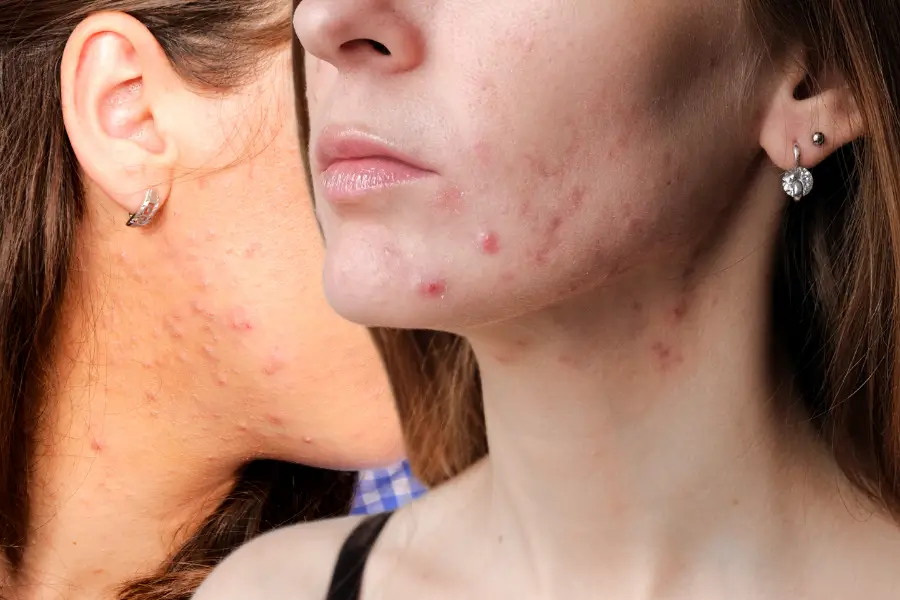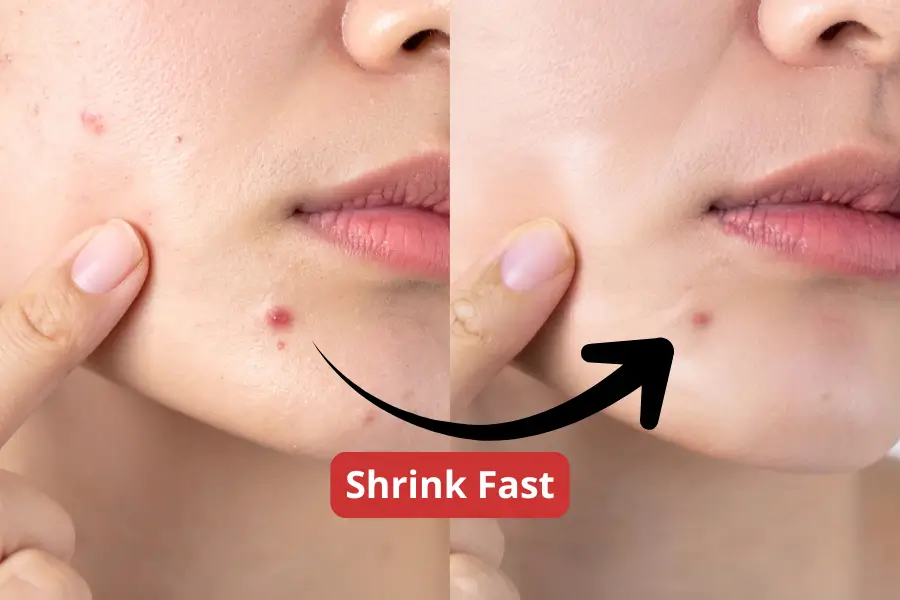
New acne research in Australia is moving in directions that most people haven’t heard about yet. And if you’ve been dealing with breakouts for a while, you’ve probably stopped getting excited about "new treatments."
You’ve been down that road. You’ve bought the products, followed the routines, sat in waiting rooms, and tried the thing your friend swore changed her skin — only to end up back where you started, maybe a few hundred dollars lighter.
Nobody blames you for being over it.
But here’s the thing. What’s coming out of Australian acne research lately isn’t just another variation of what already exists. Some of it is taking a completely different approach — going after the root causes of acne in ways that older treatments never really attempted targeting underlying mechanisms of acne in ways older treatments did not always address.. It isn’t marketing hype — it reflects ongoing scientific investigation. It’s actual science that’s been sitting in labs and clinical trials, slowly building a case.
So if you’ve got five minutes and a willingness to hear it out, here’s where things genuinely stand right now.
Australia’s role in dermatology research is bigger than most people realise
Most Australians, if asked, would probably assume the really groundbreaking skin research is happening somewhere in California or maybe Germany. And sure, there’s serious work happening in those places. But Australia is not just watching from the sidelines.
The Australasian College of Dermatologists has quietly been an important body shaping how acne is treated across this part of the world. The clinical guidelines it produces, the research it supports, the standards it holds practitioners to — it all has a real effect on what happens in the consultation room. That’s not a small thing.
There’s also the regulatory side. The Therapeutic Goods Administration (TGA) gets a lot of criticism for being slow, and sometimes that criticism is fair. But slow and thorough are not always different things. By the time a treatment clears TGA evaluation, it has undergone thorough evaluation — safety, efficacy, manufacturing standards. For a condition that primarily affects teenagers and young adults, and where some treatments carry serious risks, that level of scrutiny is not a bad thing. It is actually the point.
Yes, an acne vaccine is being researched. And it’s not science fiction.
Of everything in the current research pipeline, acne vaccine clinical trials tend to get the most attention — and it is not hard to see why.
Look, the first time most people hear "acne vaccine" they laugh a little. A vaccine. For pimples. It sounds like something someone pitches on a bad TV show about startup culture.
But spend five minutes with the actual biology and the laughter fades pretty quickly.
Here’s what’s really going on. Cutibacterium acnes — the bacteria at the centre of inflammatory acne — doesn’t just sit there causing trouble by existing. It produces specific toxic proteins that set off an immune response in your skin. That immune response contributes to the deep, swollen, painful lesions that no amount of spot treatment will touch. Your skin isn’t just breaking out. It’s fighting something, and the fight itself is what’s doing the damage.
What vaccine researchers are working on isn’t some blunt instrument that wipes out all the bacteria on your face. It’s far more precise than that. The goal is to block those specific proteins — essentially teaching your immune system to stop overreacting to them in the first place. Reducing this overreaction may reduce lesion formation. Same bacteria, completely different outcome.
When you look at it that way, it stops sounding absurd pretty quickly.
Early-stage research into this approach is ongoing, and the science behind it continues to be investigated through formal clinical channels. A commercially available version is still years away from appearing in any Australian clinic, and it is not currently accessible through any Australian treatment provider. But the fact that it has moved from theoretical to active clinical investigation says something. For people who’ve exhausted standard treatment options, that pipeline matters.
What’s actually on the table right now
Before getting ahead of ourselves, it’s worth being clear about what clinically established acne treatments currently look like in Australia.
Mild to moderate acne is generally managed with topical options — retinoids, benzoyl peroxide, combination antibiotic formulations. Most people start here. For more stubborn or severe cases, oral antibiotics come into play, along with hormonal therapies for women and, in more serious presentations, a class of oral treatments derived from vitamin A that are prescribed for severe acne.
These oral treatments can be highly effective for the right patient — many people complete a course and stay clear for years. The problem is everything that comes with them — the dryness that can feel relentless, the monitoring requirements, the strict protocols around use. For some patients it’s a manageable trade-off. For others it is genuinely not an option.
That gap — effective but not accessible to everyone — is exactly what’s driving the search for credible isotretinoin alternatives. Not something slightly better than a basic topical. Something that may offer comparable effectiveness, without the same burden of side effects.
Access to any prescription treatment in Australia depends on individual clinical assessment and prescribing decisions made by a qualified healthcare professional. If you have questions about which treatments may be appropriate for your skin, speaking with a registered practitioner is always the right first step.
Hormonal acne is finally getting the targeted treatment it deserves
Hormonal acne is its own frustrating category. The jawline breakouts that arrive like clockwork. The skin that responds to nothing topical. The sense that something internal is running the show and there’s no way to address it without going systemic.
That last part is changing. Topical anti-androgens work on sebaceous gland activity — the process by which androgens like testosterone and DHT tell your skin’s oil glands to overproduce. It’s that excess sebum that creates the conditions acne thrives in. The conventional response has been to manage androgens through systemic treatments, which can work, but also work systemically, affecting the whole body while treating a skin condition.
A topical anti-androgen offers a different treatment approach. You’re applying something directly to the skin that moderates androgen activity locally. Clascoterone is the most advanced of these compounds, with solid international trial results behind it. It is not yet available in Australian clinics and has not completed TGA evaluation at the time of writing. Australian dermatologists are keeping a close eye on it as the regulatory process continues. For patients with hormonally driven acne, it represents a genuinely promising direction — but it is one to watch rather than one to access right now.
The delivery problem that nobody talks about enough
Here’s something worth understanding about topical treatments generally: getting an active ingredient onto your skin and getting it into your skin are two very different things. The skin’s outer layer exists specifically to block things from getting through. That’s useful for keeping pathogens out. It’s considerably less useful when you’re trying to deliver a retinoid to a sebaceous gland sitting several layers down.
Nanocarrier technology is one of the more practical advances in this space. Nanocarriers — liposomes, niosomes, solid lipid nanoparticles — are microscopic delivery structures that carry active ingredients past the skin barrier and release them closer to where they’re actually needed. They aim to improve penetration while potentially reducing surface irritation.
For patients who’ve abandoned retinoids because the redness and peeling became unbearable, this may improve tolerability for some patients. Australian researchers are active contributors to nanocarrier research for dermatological applications, and acne treatment is one of the clearer use cases. The technology won’t make a weak ingredient effective, but it can make an effective ingredient significantly more tolerable. Nanocarrier-based formulations are still working their way through development and regulatory pathways and are not yet widely available in clinical practice in Australia.
The antibiotic resistance problem nobody wants to talk about
Dermatology has a resistance problem and it has become an increasing concern in dermatology. Years of prescribing long-term oral and topical antibiotics for moderate acne — often as first-line treatment, often without much reassessment — has contributed to resistant strains of Cutibacterium acnes that are harder to shift.
Phage therapy is one of the more genuinely novel responses to this. Bacteriophages are viruses with a narrow and specific target — they infect particular bacteria and destroy them without touching anything else. Applied to acne, the goal is targeting problematic strains of acne-causing bacteria while leaving the rest of the skin microbiome intact.
It is important to be clear: phage therapy for acne is still in early-stage research. There is no phage-based acne product anywhere near TGA evaluation, and it is not available through any Australian clinic or treatment provider at this time. But the logic is solid, the interest from researchers is real, and as antibiotic resistance becomes increasingly difficult to ignore, phage therapy is going to keep getting more attention. Australian microbiome research is part of that broader conversation.
Access matters as much as efficacy
The most effective treatment in the world isn’t much use if most patients can’t afford it. In Australia, PBS listing status is the variable that determines affordability for many people. Whether a treatment is listed on the Pharmaceutical Benefits Scheme — and under what prescribing criteria — has a direct bearing on who can realistically access it.
This is an area where the Australasian College of Dermatologists plays an active role, supporting PBS submissions for dermatology treatments, particularly where existing options leave a clear gap in care. As newer treatments eventually move through TGA evaluation and into clinical use, their PBS listing status will shape how widely they are actually adopted rather than just technically available. That advocacy work isn’t glamorous, but it matters enormously for patients.
For specific information about what treatments may be covered or subsidised for your circumstances, speaking with a registered healthcare professional or visiting the Services Australia website is the best course of action.
What does any of this mean for you today?
Research in these areas is ongoing and evolving. Acne vaccine clinical trials, topical anti-androgens targeting sebaceous gland activity, nanocarrier technology improving how actives are delivered, phage therapy offering a potential alternative to antibiotics — these aren’t speculative ideas sitting in someone’s wishlist. They’re funded, active areas of investigation with clinical data accumulating behind them.
Some will reach Australian patients. Some won’t make it through the full development process. That’s how research works. It is also worth being clear: none of the emerging treatments discussed in this article — the acne vaccine, clascoterone, phage therapy, or nanocarrier formulations — are currently available through Acne Express or any other Australian treatment provider. They are future possibilities, not current offerings.
What is available today is evidence-based care grounded in what is proven, clinically established, and appropriate for your skin right now. At Acne Express, we build treatment plans around current clinical evidence — developed in line with Australian regulatory standards and tailored to your skin specifically. Not a generic protocol. Not a product push. A plan that reflects current dermatology evidence and Australian clinical standards and what is available and appropriate for you today.
Get in touch with our team to find out what that looks like for you.
Disclaimer: This article is intended for informational purposes only and does not constitute medical advice. The treatments discussed in this article vary in their availability and regulatory status in Australia. Some are not yet approved for use in Australia. Please consult a qualified and registered healthcare professional before starting, stopping, or changing any acne treatment.