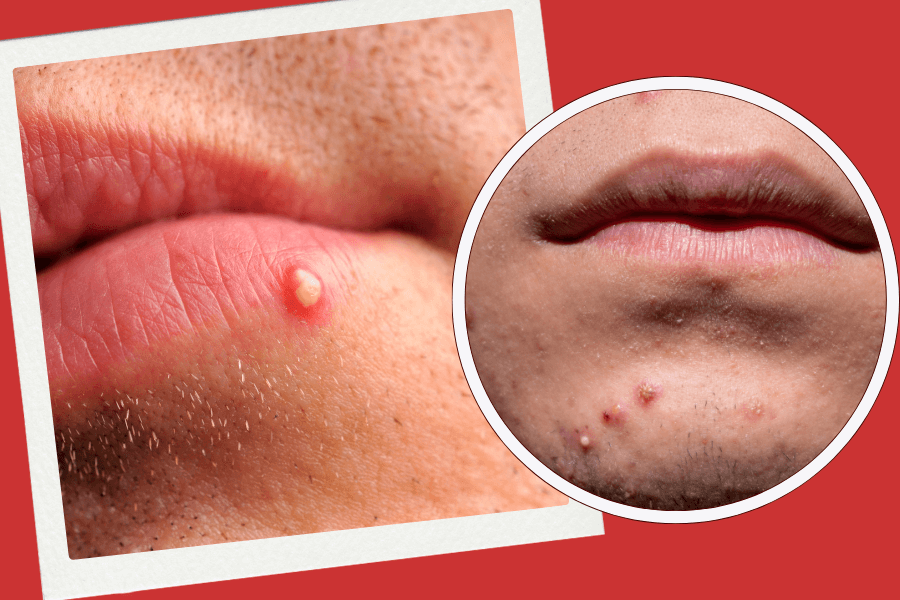
Nothing ruins your morning quite like spotting a white pimple on lip while brushing your teeth. The embarrassment hits instantly – you start wondering if people will notice, if makeup will cover it, or whether you should just avoid close conversations for the next week.
Lips are tricky. Unlike the rest of your facial skin, lip tissue is thinner, more sensitive, and lacks the same protective barriers. What clears up regular facial acne could irritate or worsen lip problems. Between constant exposure to food, drinks, weather, and unconscious lip-licking, these delicate areas face unique challenges that require different approaches.
What exactly are these white bumps?
The most important thing to understand is that these aren’t necessarily pimples at all. One person spent three weeks attacking what they thought was acne with benzoyl peroxide, only to discover later it was something completely different that needed zero treatment.
White bumps show up in the strangest places. They can appear right in the center of the bottom lip, along that line where lips meet regular skin, and even in the corners near the mouth. The painful ones usually indicate one condition, while the ones that don’t hurt at all are typically something else entirely.
Where they appear matters. How they feel matters even more. A burning sensation before you see anything? That’s probably different from a hard little bump that doesn’t hurt at all.
Why this happens (and it’s probably not what you think)
Those weird Fordyce spots everyone has
Most people have never heard of Fordyce spots, but around 8 out of 10 adults have them. They’re basically oil glands that decided to be extra visible. Don’t worry – they’re not from poor hygiene or anything you did wrong. Some people just notice them more than others.
These look like tiny pale bumps and they’re completely harmless. You might notice them more when you stretch your lips or in certain lighting. Hormones can make them more obvious too, which explains why some people suddenly notice them during stressful periods or hormonal changes.
The milia problem
Milia are those annoying little white bumps that feel like tiny pearls under your skin. They happen when dead skin gets trapped and decides to throw a party under there. Heavy lip products, sun damage, or even just genetics can trigger these.
Here’s what’s annoying about milia – you cannot squeeze them out. Trust me, people try, but there’s no opening for anything to come out. You’ll just end up with sore, possibly scarred lips.
Early cold sores (yeah, this one’s tricky)
Cold sores don’t always start as the obvious blisters you see in photos. Sometimes they begin as small white bumps that tingle or burn. If you’ve had cold sores before, you probably recognise this feeling, but first-timers often miss it.
The key difference? Cold sores usually hurt or feel weird before you can even see them properly. Regular pimples don’t typically announce themselves with burning sensations.
Allergic reactions are more common than you’d think
Your lips touch everything – food, drinks, lip products, your partner’s face, your hands. Any of these can trigger reactions that show up as white bumps. We’ve seen people develop bumps from new toothpaste, lip balm with different ingredients, or even spicy food.
Contact allergies are sneaky because they can develop to products you’ve used for ages. Your skin can suddenly decide it doesn’t like something anymore.
Hair follicles gone wrong
Yeah, you have tiny hairs around your lips. Most people don’t think about this, but product buildup or bacteria can clog these little follicles just like anywhere else on your face. The result? Small white bumps that look exactly like whiteheads.
When it’s actually thrush
Oral thrush usually stays in your mouth, but sometimes it creeps onto your lips. This typically comes with other symptoms like white patches in your mouth or soreness when eating certain foods.
How to actually fix this
Start with a professional opinion
We always tell people to see someone who knows what they’re looking at. Dermatologists see this stuff all day long and can tell you exactly what’s happening in about two seconds. It saves you weeks of trying random treatments that might make things worse.
This is especially true if bumps stick around for more than a couple of weeks or if they’re spreading.
Keep it simple with cleaning
Over-cleaning is a real problem with lip issues. Your lips don’t produce oil like the rest of your face, so aggressive cleaning just irritates them more. Use something gentle – even just water and a soft cloth can work.
Pat everything dry instead of rubbing. I cannot stress this enough. Rubbing irritated lip skin is like scratching a mosquito bite – it feels good for two seconds then makes everything worse.
Warm compresses actually work
For bumps that look like they have something inside them, warm compresses can help. Use a clean washcloth with warm (not hot) water and hold it gently against the area for maybe 10 minutes. Do this a few times a day.
Don’t go crazy with the heat though. Lip skin burns easily and you don’t want to trade white bumps for burn marks.
Be careful with products
Most acne treatments are too harsh for lips. Salicylic acid can work, but only if it’s specifically made for lip use. Regular face products will dry out your lips and create more problems.
Tea tree oil is popular, but it needs to be diluted properly. Test anything new on a tiny area first.
Figure out your triggers
Keep track of what you’re using when bumps appear. New lip balm? Different toothpaste? That new lipstick you bought? Sometimes the pattern is obvious once you write it down.
Food triggers are real too. Some people react to citrus, spicy foods, or even certain preservatives in processed foods.
When you need prescription help
Sometimes over-the-counter stuff just doesn’t cut it. Doctors can prescribe stronger treatments, antibiotics for infections, or antivirals for cold sores. Don’t feel like you’ve failed if home remedies don’t work – some conditions need professional-grade treatment.
Stopping this before it starts
Choose your products wisely
Not all lip products are created equal. Look for things labeled "non-comedogenic" and avoid anything with a long list of ingredients you can’t pronounce. Fragrance-free is usually safer too.
Replace your lip products regularly. That lip balm you’ve had for two years? It’s probably growing things you don’t want near your mouth.
Sun protection matters more than you think
Australian sun is no joke, and your lips get hit just as hard as the rest of your face. Use lip balm with SPF every single day, not just at the beach. Reapply after eating or drinking.
Sun damage doesn’t just cause cancer – it can also trigger various lip conditions including those stubborn milia.
Stop touching your face
This is probably the hardest advice to follow, but it makes a huge difference. Your hands touch everything throughout the day, then you touch your lips. It’s a direct bacteria highway.
Keep your fingernails short too. Longer nails collect more bacteria and make picking at bumps more tempting.
Manage your stress
Stress messes with your immune system and can trigger all sorts of skin problems. It also makes you more likely to pick at your skin, which creates more issues.
Find something that works for you – exercise, meditation, talking to friends, whatever helps you decompress.
Watch what you eat
While food doesn’t directly cause most lip bumps, staying hydrated helps your skin in general. Some people find that very spicy or acidic foods irritate existing bumps, so pay attention to patterns.
When to actually worry
Most white bumps on lips are annoying but harmless. However, see a doctor if they stick around for more than two weeks, keep multiplying, hurt a lot, or come with other symptoms like fever.
Also get professional help if bumps bleed easily, change how they look, or if you think they might be cold sores. Cold sores need specific antiviral treatment to clear up properly.
Living with these annoying things
Two weeks. That’s typically how long it takes for a tiny white bump to disappear, though many people find themselves checking obsessively in every mirror they pass. Lips heal slowly because they endure constant stress throughout the day – talking, eating, and unconscious licking.
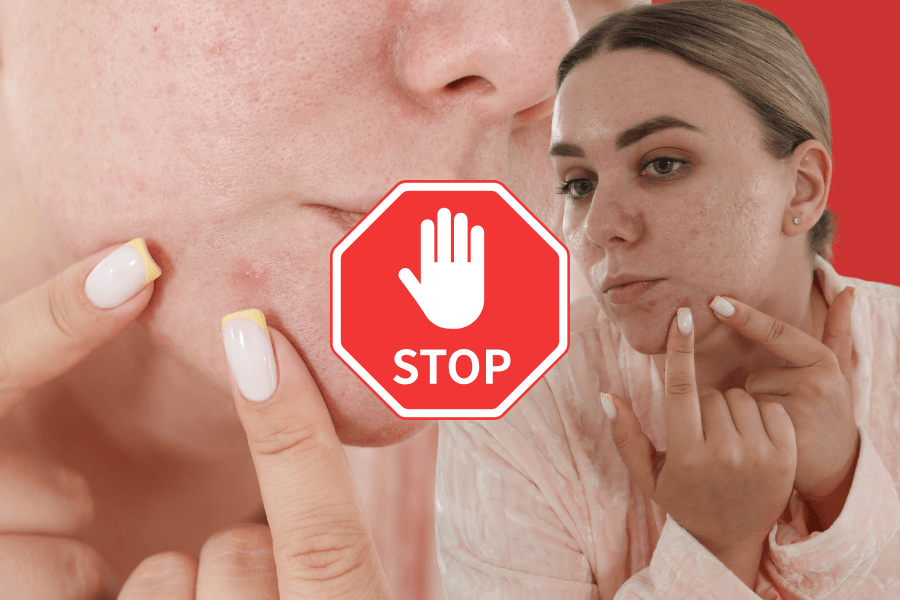
Picking at these bumps is always tempting but never wise. One person described how they picked at a bump and ended up with a dark spot that took four months to fade completely. Their family still mentions it whenever they touch their face.
Some people wear concealer on their lips to cover bumps. Others prefer masks indoors when they don’t want to deal with questions. Whatever makes someone comfortable is valid, but the reality is that most people are too busy worrying about their own appearance to scrutinise others closely.
These things usually sort themselves out if you leave them alone and treat your lips gently. Figure out what triggered it – maybe that new lip scrub or the extra spicy Thai food last week. And if nothing’s working after a few weeks, just go see someone. Lips put up with a lot between coffee, weather, and whatever else we throw at them. Sometimes they need professional backup.
Disclaimer: The information provided in this article is for educational and informational purposes only and is not intended as medical advice, diagnosis, or treatment. This content should not be used as a substitute for professional medical consultation, diagnosis, or treatment.
While we strive to provide accurate and up-to-date information, medical knowledge is constantly evolving, and individual cases may vary significantly. The conditions, treatments, and recommendations discussed in this article may not be suitable for everyone.
Do not delay seeking professional medical advice because of information you have read in this article. If you experience severe symptoms, allergic reactions, or medical emergencies, seek immediate medical attention.
The authors and publishers of this content disclaim any liability for adverse effects or consequences resulting from the use of the information presented herein. Individual results may vary, and what works for one person may not work for another.