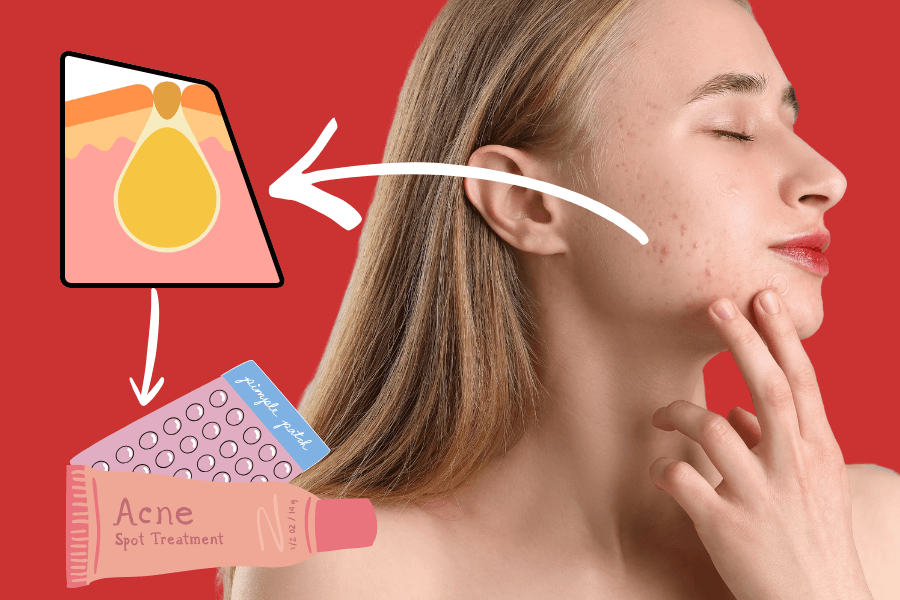
If acne seems to run in your family, you’re not alone. While factors like hormones, stress, and skincare routines play a role, genetics is also a major contributor to acne development. Understanding this genetic link can provide valuable insights into why some individuals are more prone to acne than others.
The influence of genetics on acne
Acne is a multifactorial condition, with both genetic and environmental factors at play. Research has shown that individuals with a family history of acne are more likely to develop the condition themselves. In fact, studies suggest that if both parents had acne, their child has a 25% chance of developing severe acne.
Patterns of inheritance
Acne does not follow a simple Mendelian inheritance pattern but is instead influenced by multiple genes and their interactions with environmental factors. However, familial patterns are evident. If both parents had acne, their children have a higher likelihood of developing it. Siblings of acne sufferers are also at an increased risk.
Twin studies
Twin studies have been particularly informative in understanding the genetic component of acne. Identical twins, who share all their genes, are more likely to both have acne compared to fraternal twins, who share about 50% of their genes. These findings reinforce the significant genetic influence on acne development.
Genetic factors involved in acne
Several genetic factors have been identified as contributing to the development of acne. These include:
Sebum production: Genes regulate the production of sebum, the oily substance secreted by sebaceous glands. Excessive sebum production can clog pores and lead to acne breakouts.
Hormonal regulation: Hormones like androgens play a crucial role in acne development. Genetic variations can influence how the body responds to these hormones, affecting sebum production and skin inflammation.
Inflammation: Certain genes are responsible for regulating the body’s inflammatory response. Abnormalities in these genes can lead to increased inflammation, exacerbating acne symptoms.
Skin barrier function: Genes also influence the integrity of the skin’s barrier, which protects against environmental factors and regulates moisture levels. Impaired barrier function can contribute to acne development.
Beyond genetics: Environmental and lifestyle factors
While genetics play a crucial role, they are not the sole determinant of acne. Environmental and lifestyle factors can exacerbate or mitigate the condition.
Diet
Dietary factors, particularly high glycaemic index foods and dairy products, have been implicated in acne. These foods can influence hormone levels and inflammation, contributing to acne flare-ups.
Skincare and hygiene
Proper skincare can help manage acne symptoms. Using non-comedogenic products, maintaining a regular cleansing routine, and avoiding excessive touching of the face can reduce the risk of clogged pores and infections.
Stress
Stress can exacerbate acne by influencing hormone levels and increasing inflammation. Stress management techniques such as mindfulness, exercise, and adequate sleep can help improve skin health.
Genetic testing and personalised treatment
With advancements in genetic research, personalised treatment for acne is becoming more feasible. Genetic testing can identify specific genetic variations associated with acne, allowing for tailored treatment plans. For instance, individuals with a genetic predisposition to inflammation-related acne might benefit more from anti-inflammatory treatments.
Future prospects
The future of acne treatment lies in personalised medicine. As our understanding of the genetic basis of acne deepens, we can expect more targeted therapies that address the underlying genetic causes. This approach promises more effective treatments with fewer side effects compared to the one-size-fits-all treatments currently available.
Conclusion
The role of genetics in acne development is undeniable. Family history can provide valuable clues about an individual’s risk of developing acne. While genetic predisposition is a significant factor, it is essential to consider environmental and lifestyle influences. Advances in genetic research hold the promise of personalised treatments, offering hope for more effective and tailored acne management strategies.
By understanding the genetic link in acne, individuals can better navigate their treatment options and take proactive steps in managing their skin health. Embracing a holistic approach that combines genetic insights with lifestyle modifications can lead to clearer, healthier skin.