Pimples are genuinely awful. Finding an effective pimple treatment is hard when they rock up without warning, usually right before something important, and stick around like an unwanted guest .
You’ve probably already run through the entire playbook by now. Toothpaste (which, seriously, just don’t), tea tree oil, those trendy hydrocolloid patches everyone raves about, maybe even that bizarre egg white mask your friend swore would change your life .You’ve probably already run through the entire playbook by now. Toothpaste (which, seriously, just don’t), tea tree oil, those trendy hydrocolloid patches everyone raves about, maybe even that bizarre egg white mask your friend swore would change your life. Most achieve precisely nothing. And there you are, staring in the mirror, genuinely baffled about why your skin seems to have declared personal war on you.
Here’s what matters though—pimples aren’t just random occurrences. There’s legitimate biological processes happening beneath the surface of your skin. Once you properly understand what’s actually going on, you can finally stop hemorrhaging money on products that were never going to work and redirect your attention toward things that genuinely do.
What causes pimples in the first place
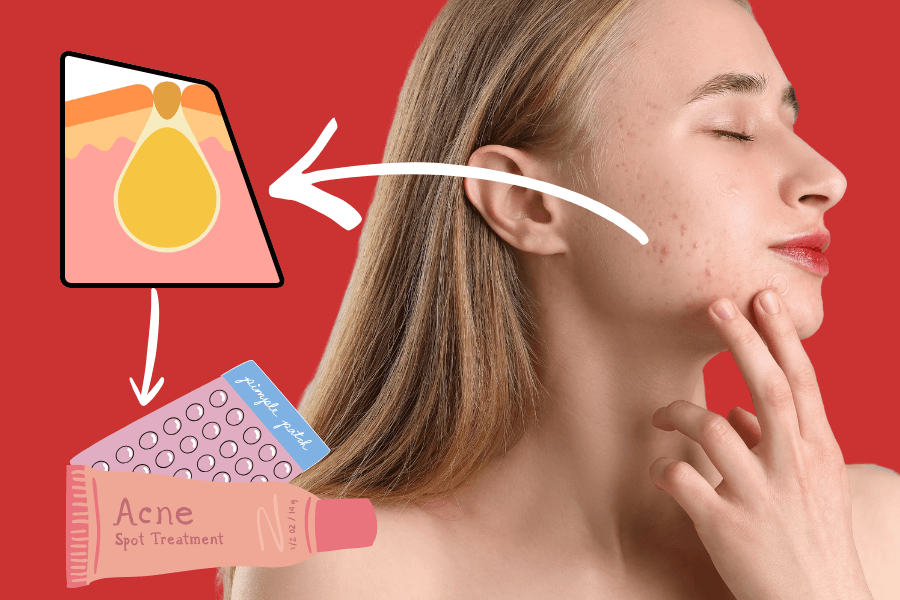
Your skin’s absolutely covered in these microscopic holes called pores. Each individual pore connects down to an oil gland underneath that continuously pumps out sebum—which is essentially your skin’s built-in natural moisturiser.
Blocked pores, oil production, and bacteria
This is precisely where everything goes sideways. Your skin’s constantly shedding dead cells. Sometimes these dead cells refuse to shed properly. They loiter around, get mixed up with oil, and create a plug that blocks the pore.
Bacteria absolutely adore this situation. One particular type—Cutibacterium acnes—thrives in environments without oxygen. A properly blocked pore is essentially a five-star luxury resort to them. They move in, start multiplying at alarming rates, and basically throw non-stop parties.
Your immune system eventually notices all this suspicious activity and dispatches backup—white blood cells, inflammation, the complete arsenal. That’s the red, swollen, angry-looking bump you eventually spot in the mirror.
Hormones, stress, and lifestyle triggers
Hormones basically run the entire show. Androgens especially. They dramatically ramp up during puberty, which explains why teenagers get absolutely demolished with acne. But androgens certainly don’t retire gracefully after your teenage years wrap up. They fluctuate constantly during pregnancy, throughout your menstrual cycle, and during numerous other life stages.
Stress operates in sneaky ways. It doesn’t directly manufacture pimples out of nowhere, but it absolutely cranks up cortisol production to uncomfortable levels. Cortisol essentially tells your oil glands to shift into overdrive. Ever notice how a massive, painful spot materialises right before an important job interview? That’s stress cortisol being an absolute nightmare.
Your lifestyle choices matter as well. Current research suggests high-sugar foods and dairy products might worsen breakouts for certain people—though definitely not everyone across the board. Poor quality sleep makes virtually everything worse in life, your skin very much included. Your phone screen is genuinely disgusting if you actually think about it. Your pillowcase needs washing considerably more often than you currently wash it.
Different types of pimples
Not every single spot that appears on your face falls into the same category. Treating them as if they’re identical is precisely why you’ve been spinning your wheels and getting absolutely nowhere with results.
Whiteheads and blackheads
These fall under what doctors professionally call comedones—which is the proper fancy medical terminology for blocked pores. Whiteheads get sealed closed over with skin tissue. Blackheads remain open to the surface environment. That distinctive black colour isn’t accumulated dirt, despite what your gran might’ve confidently told you growing up. It’s actually oxidation—the blocked material chemically reacting with air exposure, similar to how a freshly cut apple gradually turns brown when left out.
Salicylic acid works exceptionally well for these particular types. It chemically dissolves the accumulated gunk that’s blocking your pores. Retinoids function effectively too—they accelerate how rapidly your skin naturally sheds cells, preventing dead skin from sticking around long enough to cause substantial problems.
Inflamed pimples and pustules
When bacteria properly invade the area and your immune system officially declares all-out war, you end up with papules (those red, genuinely painful bumps) or pustules (the ones filled with pus that look particularly unpleasant). These genuinely hurt. They take what feels like absolute ages to finally disappear.
Benzoyl peroxide effectively kills bacteria, which explains why it features prominently in loads of spot treatments available. Topical antibiotics help considerably too, though you’ll definitely need an actual prescription for accessing those. The real trick involves starting treatment the precise moment you initially feel one beginning to form.
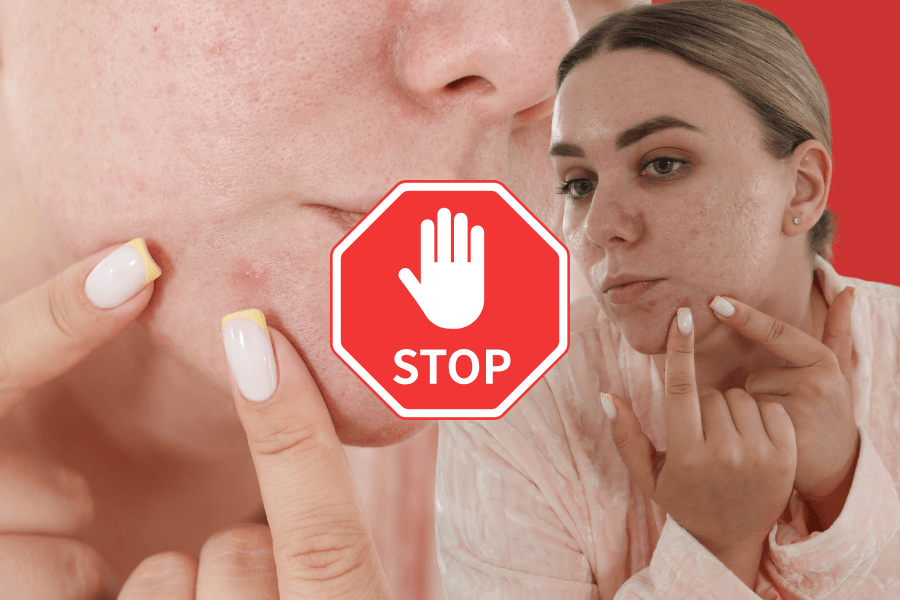
Don’t squeeze these under any circumstances. You’ll push bacteria deeper into tissue, spread infection to all the surrounding skin, and quite possibly scar yourself permanently. Genuinely not worth the momentary satisfaction.
Painful cystic pimples
Cystic acne is properly, genuinely awful to experience. These manifest as deep, intensely painful lumps that feel like someone’s deliberately lodged a marble underneath your skin. They categorically refuse to come to a head. They’re not simply oversized regular pimples—they’re legitimate infections occurring deep within your skin’s layers.
Standard pharmacy products won’t even remotely touch these. You absolutely need proper prescription medication—considerably stronger topical treatments, oral antibiotics, potentially isotretinoin. Dermatologists can inject cortisone directly into them, which provides relief reasonably quickly for particularly stubborn ones that refuse to budge.
If you’re experiencing cystic acne with any regularity, see a qualified professional immediately. The potential scarring risk is far too substantial to mess about with home remedies.
Dermatologist-approved treatments
What evidence-based acne treatments are recommended by qualified people who spent multiple years intensively studying skin.
Topical prescription treatments
Prescription-strength topicals are miles ahead of most standard pharmacy products available. Tretinoin and adapalene are retinoids that significantly speed up how quickly your skin cells naturally turn over. This effectively stops pores getting clogged before the problem even happens initially.
Topical antibiotics—clindamycin and erythromycin are particularly common ones—directly target the specific bacteria driving inflammation processes. These usually get paired strategically with benzoyl peroxide. Using antibiotics alone for extended long-term periods can make bacteria increasingly resistant to treatment.
Azelaic acid represents another prescription option that works particularly well if you’re simultaneously dealing with both active breakouts and persistent dark marks. It fights bacteria, reduces inflammation, and evens skin tone all at once.
Oral medications for persistent breakouts
When simply slapping cream directly on your face isn’t proving sufficient, oral medications work throughout your entire system comprehensively. Antibiotics like doxycycline or minocycline reduce bacteria and calm inflammation from within your body.
For women specifically, certain birth control pills can dramatically improve hormonal acne issues. Pills containing both oestrogen and progestogen can lower androgen levels, which cuts down on oil production.
Isotretinoin (used to be sold commercially as Roaccutane or Oratane) is the serious big gun reserved exclusively for severe, stubborn acne. It’s incredibly, remarkably effective—loads of people see long-term or even permanent clearing after completing one course—but it needs close monitoring because of potential side effects.
Acne Express offers consultations with practitioners experienced in prescribing these specific medications. They’ll work out if oral treatment makes sense for your individual situation and keep tabs on your progress throughout treatment.
Skincare routines that support healing
Prescription treatments perform substantially better when you’ve got a solid skincare routine properly backing them up. You don’t need ten elaborate steps and a bathroom shelf groaning under product weight. Keep it simple and straightforward.
Grab a gentle cleanser. The non-foaming type that effectively gets rid of oil and dirt but doesn’t make your face feel like the Sahara desert. Wash twice daily—morning and evening without exception.
You absolutely need moisturiser. Even if your skin’s pumping out enough oil to run a deep fryer. Go for lightweight formulations that won’t clog your pores—look for "non-comedogenic" clearly stated on the label.
Sunscreen. Every. Single. Day. Most acne treatments make your skin way more sensitive to sun damage. And UV exposure? It makes those dark marks from old pimples hang around considerably longer and look substantially darker. Get yourself SPF 30 minimum, broad-spectrum protection.
When to see a dermatologist
You don’t have to wait until things are terrible before getting help. Catching problems early usually means better results and way less chance of scarring.
See someone if pharmacy products haven’t done anything after about two months. Definitely see someone if you’re getting those deep, painful cysts. If your skin’s messing with how you feel about yourself or your mental health, that’s reason enough right there.
Getting into a dermatology clinic usually means waiting ages and juggling your sch busy schedule around appointments. That’s where Acne Express comes in handy. You can sort out consultations and prescriptions online, and they’ll post medications straight to you.
The key is not leaving it until your skin’s really suffering. Getting in early stops scarring and saves you wasting time and money on products that were never going to help your particular situation anyway.
This isn’t about vanity. Pimples affect how comfortable you feel in your own skin, your confidence, your overall skin health. The positive side is there are treatments for pretty much every type of pimple and acne you might deal with. Sometimes you just need to find what works for your specific skin. That’s usually where getting professional input makes the real difference.
Disclaimer: This article is for informational purposes only and does not constitute medical advice, diagnosis, or treatment. Always consult a qualified dermatologist or healthcare professional before starting any new skincare treatment or medication. Individual results may vary, and what works for one person may not work for another. Never disregard professional medical advice or delay seeking treatment because of information you’ve read here. If you experience severe skin reactions, swelling, or breathing difficulties, seek immediate medical attention. We assume no liability for consequences resulting from the use or interpretation of this information.