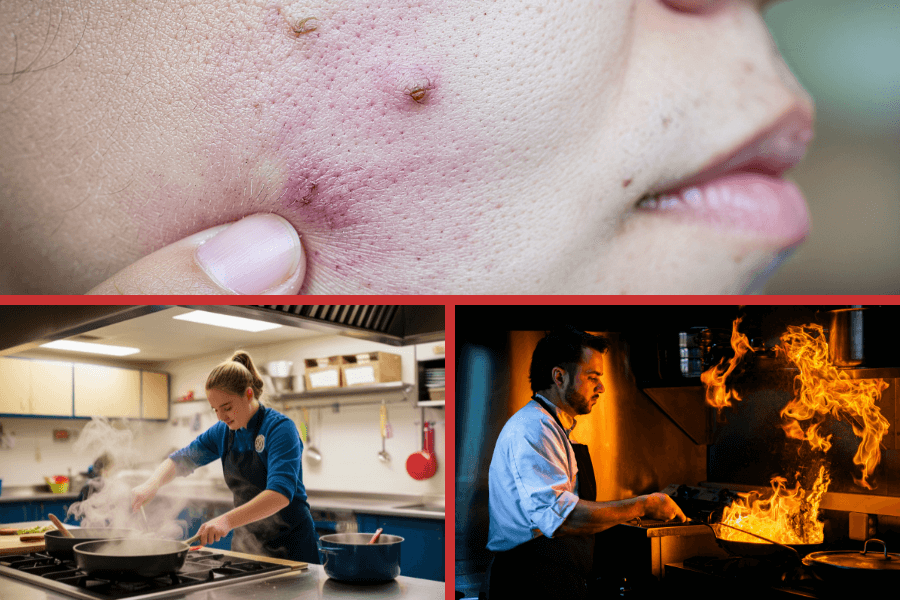
Kitchen acne—ever heard of it? If your skin’s been going haywire right after you’ve spent ages cooking, there’s actually a name for what’s happening. Steam billowing from pots, grease you can’t even see floating around, wiping your face with hands that’ve just handled who-knows-what—these factors can contribute to skin irritation and breakouts.. The jawline, chin, and cheeks usually cop it worst.
What throws most people is they don’t make the connection. They’re blaming their period, stress at work, that new face cream—everything except the actual culprit. But here’s the thing: once you figure out what’s going on, sorting it becomes way more straightforward. Tweak a few kitchen habits, get your skincare right, or consider professional guidance through a service like Acne Express if breakouts persist. Point is, you shouldn’t have to pick between cooking decent food and having skin that doesn’t hate you.
What Is Kitchen Acne?
Your doctor won’t scribble "kitchen acne" on your chart, but they’ll absolutely know what you’re on about when you describe spots that kicked off right when you started cooking more. They may describe it as acne mechanica— where environmental factors physically irritate the skin.
The dead giveaway? When it shows up. Hormonal spots follow your cycle or stress levels, doesn’t matter what you’ve been up to. Kitchen breakouts rock up a day or two after you’ve done a massive cooking stint, especially if there’s been loads of frying involved. People clock this pattern when something changes—suddenly working from home, getting really into cooking, shifting to a place where the kitchen ventilation’s absolutely rubbish. The skin freaks out at these new conditions in ways that seem totally random until the penny drops.
Why Kitchens Are Terrible for Faces
Heat Cranks Everything Up
Your stove blasting heat triggers all your body’s cooling mechanisms—sweating, ramped-up oil production, the works. Plus the heat makes pores expand. In theory, not automatically disastrous. In practice? Kitchens are loaded with bacteria from raw stuff, bits of food in the air, general mess from chopping and prep. Expanded pores may be more prone to collecting oil and debris from the surrounding environment.
Grease Gets Absolutely Everywhere
Here’s the bit that genuinely surprised us when we looked into it: when you heat oil for cooking, these tiny droplets spread through the air and land on stuff all over your kitchen. Can’t see it happening, but that sticky film on your splashback after a week? That’s proof. Deep frying’s the worst offender, though even light cooking with oil sends particles everywhere.These particles can land on the skin and, when combined with natural oils and dead skin cells, may contribute to blocked pores. Not a pleasant thought, but it’s reality.
Hands Never Stop Touching Faces
Try noticing this next time—you’ll probably be shocked how often it happens. Sweat gets wiped away. Hair gets pushed back. Something itches, you scratch it. Waiting for pasta water to boil, hand goes under chin. Every single touch transfers whatever bacteria or gunk from food prep straight onto skin. Handled raw chicken five minutes ago? Even if you washed your hands, probably didn’t get them properly clean.
What’s Behind These Breakouts
Face-touching happens constantly without thinking. Taste some sauce, finger goes in mouth, then somewhere on your face. Chop onions, eyes water, you rub them. Knead dough, nose itches, you scratch. All these little moments add up over an hour of cooking.
Those kitchen towels are absolutely minging. The one hanging off your oven that gets used for everything—drying hands, wiping benches, grabbing hot stuff? Bacteria’s having a field day on that. But people grab it without thinking to wipe sweat off their face. We’ve all done it.
Ventilation in most kitchens is genuinely pathetic. Rentals especially—you get these exhaust fans that barely suck any air, or they make heaps of noise so nobody bothers switching them on. Sometimes there’s just a wonky window that doesn’t open right. All that smoke and grease just hangs there, landing on every surface going.
Long cooking sessions are the worst. Making something that takes three hours? That’s three solid hours of your face collecting oil particles, getting hit with steam, building up sweat. No break to clean any of it off. Everything just accumulates.
Where You’ll See Spots Appear
The jawline gets hammered because it’s right where steam rises from whatever you’re cooking, plus that’s where your hand naturally goes when you’re thinking or tasting stuff. Your chin’s sitting directly above the stove catching all the vapours. Cheeks are just big targets for airborne oil—loads of surface area. And the neck often gets completely ignored in people’s skincare routines but catches everything, especially if you’re wearing a t-shirt while cooking instead of something with a collar.
These spots take the brunt because they’re either getting touched heaps or they’re positioned perfectly to collect everything coming off your cooking.
Kitchen Breakouts vs Hormonal Ones—What’s Different
Timing’s completely different. Hormonal stuff follows your cycle, or links to stress regardless of what you’re doing day-to-day. Kitchen spots? They show up like clockwork after big cooking days. Someone might get them every Monday following their Sunday meal prep marathon. Or after hosting dinner parties. Once you start watching for the pattern, it becomes really obvious.
They look different too. Hormonal breakouts are usually these deep, painful things that take forever to come up and leave marks for months afterwards. Kitchen ones sit closer to the surface—red and angry-looking, but they actually respond quicker once you sort your habits out. Still annoying as anything, just different structurally.
Completely different triggers: Your hormones don’t care whether you’ve been slaving over a stove or binge-watching Netflix. Kitchen acne’s got that direct link to time spent cooking.
How to Actually Prevent This
Hands get washed before touching your face. Every time. Washing hands before touching your face can significantly reduce bacterial transfer during cooking. your stove so you remember. Face needs touching? Wash hands first. Also worth grabbing a face towel that stays nowhere near the kitchen—or honestly, just use tissues for blotting sweat. Way more hygienic.
Get your ventilation sorted properly. Flick that exhaust fan on before you’ve even turned the stove on. Leave it running for 20 minutes after you’re done. Windows open when it’s not freezing outside. For places with absolutely useless ventilation (thanks for nothing, landlords), even a cheapish air purifier grabs some of the oil particles floating about. Won’t fix everything but definitely helps.
Hair needs proper securing before you start. Not just loosely pulled back where it’ll come undone—actually secured. This probably cuts the face-touching in half right there.
Face gets washed the second you’re done cooking. Not after you’ve eaten. Not after you’ve scrolled Instagram for 20 minutes. Immediately. Gentle cleanser, water that’s not too hot, sorted. Those five minutes stop all that oil and bacteria from really settling in.
Skincare Approaches That May Help
Everything needs to be non-comedogenic. Means it won’t block your pores—check this on moisturisers, sunscreen, makeup, everything. If the label doesn’t mention it, probably best to skip it before you start cooking.
Light stuff before cooking, heavy stuff after. Slapping on thick moisturiser in the morning then spending hours in a sweltering kitchen just creates this suffocating layer trapping everything. Light products during the day work way better. Save your intensive stuff for nighttime when you’re definitely done in the kitchen.
Strengthen your skin instead of attacking it. Those scrubs that feel really satisfying? Often make things worse by wrecking your skin’s natural protection. Stuff with ceramides, niacinamide, hyaluronic acid— these ingredients support the skin barrier and are generally well tolerated.
Does Your Cooking Oil Choice Matter?
People stress about this way more than necessary. Kitchen acne happens because oil lands on your face from the air—not from eating it. Diet affects acne generally, sure, but for this specific problem it’s the external contact causing issues.
Decent ventilation beats fancy organic oils every single time. What you’re cooking with matters less than making sure you’ve got airflow extracting those particles before they settle on your skin. Don’t let kitchen acne worries stop you cooking proper meals with whatever oil fits your budget.
When You Need Actual Medical Help
Prevention works brilliantly for mild stuff that pops up occasionally. But some situations genuinely need more:
- Spots sticking around even though you’ve changed everything
- Deep lumpy things forming under your skin that hurt
- Breakouts leaving marks that won’t budge
These need proper medical assessment. Trying to sort severe acne with just lifestyle changes usually wastes time and risks permanent scarring. According to Better Health Channel, early assessment and management may help reduce the risk of long-term scarring.
What Acne Express Does
Acne Express hooks you up with Australian doctors who specialise in acne, all done online. No awkward GP waiting rooms. They assess your skin, develop a personalised treatment plan, and prescribe medication when clinically appropriate—retinoids, azelaic acid, whatever suits. Gets posted to you.
Treatment plans can be adjusted over time as routines and circumstances change. Summer to winter, busy cooking stretches to quieter periods, treatment shifts with you. For kitchen acne where your routine changes heaps depending on what’s happening, this flexibility matters.
Quick Answers
Is this actually a real thing or made up? Totally real. Dermatologists see environmental acne from cooking all the time—heat, airborne oils, hygiene issues during food prep.
Can cooking oil genuinely block pores? Yeah. Those particles floating around land on your skin, mix with your natural oils and dead skin bits, then block pores.
How fast does it clear? Some people notice improvement within a few weeks after adjusting habits, though timelines vary. Stubborn cases might take a month, sometimes longer.
Can you sort this without seeing a doctor face-to-face? Yep. Services like Acne Express do everything online—consultations, prescriptions, the lot.
Wrapping This Up
Kitchen acne catches people out because the link isn’t obvious straight away. But it’s just heat, grease in the air, and hygiene slip-ups while cooking combining to irritate skin. Fix those three things and most cases get better pretty quick.
When prevention alone doesn’t do the job, professional treatment’s way more accessible now through online options. Nobody should have to choose between cooking decent meals and having skin that doesn’t look angry all the time—just need to understand what’s happening and deal with it properly.
Disclaimer: This is general information about skincare, not medical advice. See actual healthcare professionals for proper diagnosis and treatment.