You know that feeling when a pimple finally clears up but then leaves behind a dark mark that just won’t budge? Annoying doesn’t even cover it. If you’re searching for the best way to get rid of spots and those stubborn marks they leave, you’re in good company—it happens to heaps of people.
PIH—post-inflammatory hyperpigmentation, a fancy term for dark marks—dark marks left after acne—is common in Australia. While these marks are usually not permanent, there are strategies to reduce their appearance and prevent new ones from forming.
Good news though: these marks don’t have to be permanent fixtures on your face. You can fade them, and you can stop getting new ones too. We’re going to break down what genuinely helps, skipping all the confusing terminology and marketing rubbish that usually comes with skincare chat.
Important note:
Look, before we dive in: this is all general info to help you understand your options. But everyone’s skin is different, yeah? So chat with your GP or a dermatologist before you start trying new treatments—especially if your skin’s sensitive, you’ve got existing skin issues, or if you’re pregnant or breastfeeding. They’ll know what’s actually safe and suitable for your specific situation.
Understanding what you’re actually dealing with
Right, so before we get stuck into fixes, let’s chat about what’s actually happening under your skin. Those dark marks aren’t proper scars – they’re basically your skin going a bit overboard with melanin production after inflammation. PIH occurs when skin produces excess melanin in response to inflammation. The appearance varies by skin tone: lighter skin may show pink or red marks, darker skin may develop brown or purple patches.
The thing is, these marks show up differently depending on your natural skin tone. Some people get pink or red marks, others see brown or purple patches. And if you’ve got darker skin naturally, you’re more likely to develop noticeable PIH.
Now, acne scars affect skin texture, such as indentations or raised areas, and often require professional treatment. Dark marks, by contrast, affect skin colour rather than texture and may respond to topical treatments. If that’s what you’re dealing with, you’ll probably need to see a professional. But dark marks? Those we can tackle together, and you don’t necessarily need to break the bank doing it.
The best way to get rid of spots: your action plan
1. Prevention is your best friend
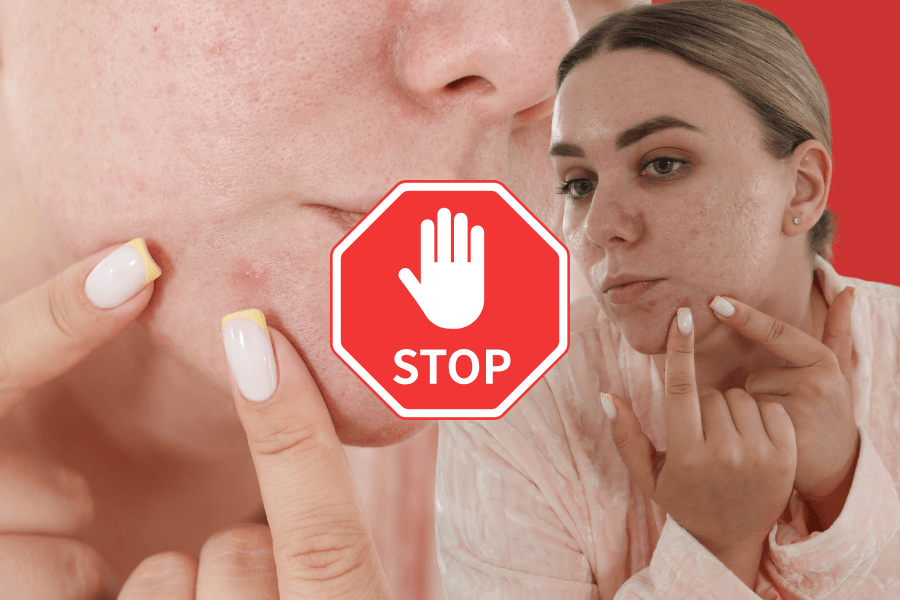
Prevention is key. Avoid manipulating or picking at spots to reduce the risk of post-inflammatory hyperpigmentation. Yeah, not much use when you’ve already got marks staring back at you from the mirror. But moving forward? Stop touching your spots. Full stop. No picking, no squeezing, nothing.
We’ve all had that thought – "just this once won’t hurt" or "this one’s different" – but it’s never true. Touch that spot and you’re basically signing up for a dark mark. Squeeze it? You’ve guaranteed yourself one. Your skin remembers every time you mess with it.
2. Sunscreen is non-negotiable
Let’s talk about Australia’s sun for a minute. Our UV levels are brutal – genuinely some of the highest on the planet. And here’s what kills me: sun exposure is the absolute worst thing you can do to dark marks. UV makes PIH darker and keeps it visible for months longer than necessary.
Broad-spectrum SPF 30 minimum, every single day. Cloudy? Wear it. Winter? Wear it. Quick dash to Coles? Wear it. Working from your couch? Still wear it – UV comes straight through windows.
"But sunscreen breaks me out" or "it feels disgusting and greasy" – yeah, we’ve heard it before. Modern sunscreens have moved on from that thick, pore-clogging stuff from ten years ago. Non-comedogenic options are everywhere now. Oily skin? Grab a matte finish formula. They exist, and they don’t feel like you’ve smeared lard on your face.
Skip the SPF and you’re wasting your time with everything else. The sun will keep darkening those marks while you’re spending money trying to fade them. Doesn’t make sense, does it?
3. Vitamin C: your brightening powerhouse
Vitamin C serums can help reduce pigmentation by inhibiting melanin production, and there’s proper science backing this up. They work by getting in the way of melanin production – basically telling your skin to chill out with the pigment. Plus, they brighten your whole complexion, so you get this nice bonus glow.
The form you want is L-ascorbic acid in concentrations between 10-20%. Lower than that and you won’t see much difference, higher and you might irritate your skin for not much extra benefit.
Apply your vitamin C serum in the morning, before your sunscreen. It actually provides some extra antioxidant protection against environmental damage throughout the day. One thing though – vitamin C can be temperamental. If your serum starts turning brown or smells weird, chuck it out.
4. Retinoids speed up cell turnover
Right, retinoids are the heavy hitters in skincare. Whether you’re using prescription tretinoin from your GP or over-the-counter retinol from the chemist, these are absolute workhorses for treating dark marks. They increase cell turnover, which may assist in fading hyperpigmentation.
But here’s where people often go wrong: they go in too hard, too fast. If you’re new to retinoids, start with twice a week, max. Let your skin get used to it. You might get some flaking or redness initially – that’s normal, though not everyone gets it.
Gradually increase how often you use it over several weeks. Some people eventually work up to every night, others find 3-4 times a week is their sweet spot. Always apply retinoids at night because they break down in sunlight, and absolutely never skip your morning SPF when using them – they make your skin more sun-sensitive.
5. Niacinamide is gentle yet effective
Sensitive skin? Or maybe you’ve tried some hardcore active ingredient and your face basically staged a revolt? Niacinamide – that’s vitamin B3 under a fancier name – might be exactly what you need.
This stuff handles multiple jobs without attacking your skin in the process. Inflammation? Niacinamide can reduce inflammation and may support gradual fading of dark marks. Overproducing oil? Sorts that out as well. Dark marks? Fades them gradually without causing drama. You’ll spot it in products at 5-10% concentration, and that range does plenty without overwhelming your face.
What makes niacinamide brilliant is how well it plays with others. Chuck it in alongside vitamin C? No problems. Already using retinoids? Still fine. Adding acids to the mix? Go ahead. Most people just slap it on during their morning routine with their vitamin C serum and move on with their day. No faffing about with complicated timing or worrying about ingredient clashes.
6. Alpha hydroxy acids (AHAs) for gentle exfoliation
AHAs are basically acids that dissolve the stuff holding your dead skin cells together – think of it like unsticking old wallpaper so you can see the nice wall underneath. Glycolic and lactic acid are the main players here, and they exfoliate surface skin cells and promote brighter skin appearance.
Now, if you’re a bit nervous about trying acids (totally understandable), go for lactic acid first. It’s way more forgiving than glycolic, especially if your skin tends to chuck a wobbly over new products. Maybe grab an AHA toner and use it twice a week to start—don’t go crazy with it straight away.
Quick warning though: mixing AHAs with retinoids when you’re just starting out is asking for trouble. Your skin will likely get red, flaky, and properly annoyed with you. Better to use them on different nights—like AHAs Monday and Wednesday and retinoids Tuesday and Thursday. Or if you’re keen to use both daily, stick AHAs in your morning routine and save retinoids for bedtime. Your face will thank you for not bombarding it all at once.
7. Azelaic acid: the underrated hero
Can we talk about how azelaic acid doesn’t get nearly enough attention? It’s genuinely fantastic but somehow flies under the radar. It has anti-inflammatory and tyrosinase-inhibiting properties, useful for both acne and pigmentation. It works by inhibiting tyrosinase, which is the enzyme your skin needs to produce melanin.
You can get azelaic acid in concentrations from 10-20%. It’s particularly brilliant if you’re dealing with active acne and dark marks at the same time because it tackles both issues simultaneously. Unlike some other actives, it’s actually safe to use during pregnancy if you’re planning ahead.
8. Hydration and barrier support
Here’s something people often overlook: keeping your skin properly hydrated and your moisture barrier healthy isn’t just about comfort. It actually helps your skin heal more effectively and respond better to active ingredients.
When your skin barrier is compromised, it leads to more inflammation. And more inflammation means more dark marks. Look for ingredients like hyaluronic acid to draw moisture in, ceramides to repair your barrier, and niacinamide to strengthen it.
Even if you’re oily or acne-prone, you still need moisturiser. You just need the right one – something lightweight and non-comedogenic. Think of your skin barrier like the foundation of a house. If it’s solid, everything else you build on top will be stable.
What about professional treatments?
Look, sometimes your at-home routine just isn’t cutting it, even when you’re doing everything by the book. Given it three to six months without much change? Might be time to see a dermatologist or a proper skin therapist who knows their stuff.
Chemical peels: These aren’t your average over-the-counter products. We’re talking seriously strong acid concentrations that get way deeper into your skin. Results can be pretty dramatic compared to what you can achieve at home.
Laser treatments: Different lasers work at different depths to tackle pigmentation. Pico lasers have become really popular for PIH lately – they’re effective without leaving you unable to show your face for weeks. Just make sure whoever’s doing it has experience with your specific skin type. Some lasers don’t work well on darker skin tones, so don’t just rock up to the cheapest clinic you can find.
Microneedling: This creates controlled micro-injuries that trigger healing and collagen production. It helps with both texture and pigmentation.
Prescription treatments: Dermatologists can prescribe stronger options like hydroquinone or higher-strength tretinoin for stubborn cases.
Creating your routine: putting it all together
Right, we know we have thrown a lot at you. The good news is you don’t need everything at once. Here’s a sensible routine that won’t overwhelm your skin:
Morning:
- Gentle cleanser
- Vitamin C serum
- Niacinamide (if not in your vitamin C product)
- Lightweight moisturiser
- SPF 30+ (non-negotiable)
Evening:
- Gentle cleanser
- Azelaic acid or AHA toner (alternate nights with retinoid)
- Retinoid (start 2-3 times weekly)
- Moisturiser
Give this routine some proper time before you judge it. Around 6-12 weeks in, you should notice things improving, then the fading continues over the next few months. You’ve got to stay consistent though – slapping products on whenever you remember isn’t going to cut it.
Pay attention to what your skin’s telling you. Flaking badly or getting red and angry? Ease off the actives. Your skin knows its limits better than any blog post does.
The bottom line
Fading dark marks isn’t quick. There’s no magic product that works overnight, no matter what TikTok tries to sell you. But stick with good ingredients and wear your sunscreen religiously, and those marks may fade. New ones? You may prevent them too.
What works for your friend might cause your face to chuck a massive tantrum. Everyone’s skin behaves differently. Adjust your routine based on what happens with your actual face, not what worked for someone else.
Tried everything for months and seeing sweet FA results? Feeling completely lost? Book a dermatologist appointment. Nothing wrong with getting professional help – sometimes you need an expert to figure out what’s actually happening with your particular skin situation.
Your face has already dealt with the stress of breakouts. Don’t add more trauma by being harsh with it. Protect it from sun damage without skipping days, stick to your routine, and be patient. The marks do fade eventually. Could be weeks, could be months, but you’ll get there. Treat your skin right and your confidence comes back with it. Hang in there.
Disclaimer: The information in this article is for general educational purposes only and is not a substitute for professional medical advice. Always consult a qualified healthcare professional before starting new treatments. Individual results may vary.