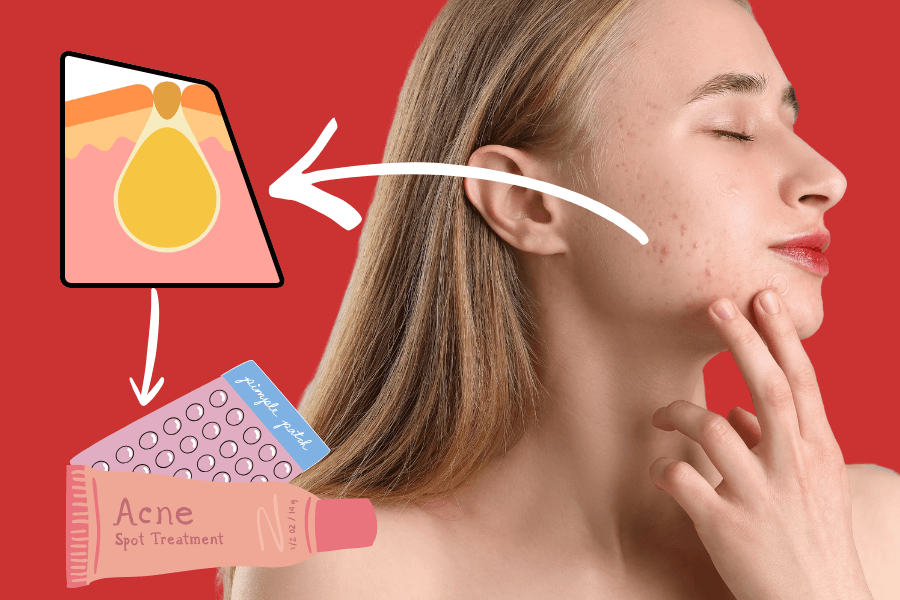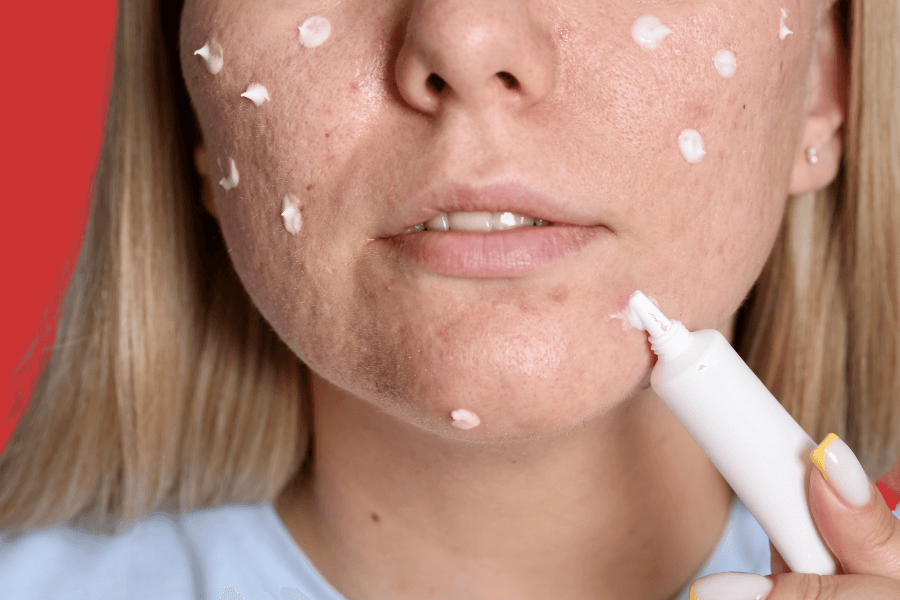
Looking for pimple scar treatment options? You’re not alone. Acne scars are basically the unwelcome souvenir nobody asked for after finally getting breakouts under control. You wake up one day, and acne’s gone (thank god), but then you’re left with these reminders all over your face. Super fun, right?
But look, we’ve got some actually good news. There’s a ton you can do about them now. Like, way more than even five years ago. Whether you want to drop some cash at a dermatologist or try stuff at home first, there are legitimate options that may help improve your scars.
This guide provides an overview of pimple scar types, treatment options, and realistic expectations.
Why your skin does this to you
Severe acne can damage deeper layers of the skin, not just the surface, which can result in scarring during the healing process. Your body goes into repair mode and tries to patch things up, but sometimes it’s like… imagine trying to fix a hole in drywall when you’ve never done it before. Sometimes you use too much spackle (raised scars), sometimes not enough (those little dents), and sometimes it just doesn’t come out smooth.
Oh, and here’s something that trips people up constantly. Not everything left over from acne is actually a scar. A lot of times you’re just looking at dark spots – hyperpigmentation is the technical term, but whatever you call it, those usually fade by themselves. Takes forever, but they do.
Real scars, though? Those change the actual texture. And yeah, those need help.
The different types (because of course there are different types)
If you research this stuff you will understand that there were specific categories, which matters because different scars respond to different treatments.
Ice pick scars —These are those tiny deep holes that look like someone literally picked at your face with something sharp. They’re annoying because they’re so deep. Like, surprisingly deep for how small they look.
Boxcar scars—more like craters with defined edges. Round or oval -shaped
depressions. If you’ve ever had chickenpox, you know what these look like. They vary a lot in depth.
Rolling scars—These create this wavy, uneven thing happening with your skin. What’s actually going on is there are these fibrous bands under your skin pulling it down. Stand near a window and look at your face from the side —if you see those shadows and waves, those are rolling scars.
And then some people get raised scars instead of indented ones. Your body may produce extra collagen as part of the healing process. These are less common on faces and more common on your chest or back or shoulders.
Most people have a mix of types, which is part of why treatment can get complicated.
Professional treatments (the expensive but effective stuff)
Chemical peels
They use acid solutions to chemically exfoliate and resurface your skin, basically removing damaged layers so fresh skin can come through. Sounds intense but it’s actually pretty routine. They’ve got different strengths—glycolic, salicylic, and TCA (trichloroacetic acid) – depending on what you need.
You’ll need multiple appointments spread out over weeks. And heads up, you’re gonna peel. Like, noticeably. Plan around it if you’ve got work stuff or whatever. These help with mild boxcar scars and post-acne pigmentation really well, though deeper scars usually need microneedling or laser treatments too.
It takes maybe 3-6 sessions to really see improvement. Not gonna lie, it’s not the most comfortable thing in the world but it’s tolerable.
Microneedling
This one sounds absolutely insane when you first hear about it. They take this device covered in tiny needles and roll it across your face. On purpose. To injure your skin. On purpose.
But here’s the method to the madness—your skin responds to those micro-injuries by producing collagen like crazy, and that collagen production helps fill in the scars over time.
Effective for most shallow-to-moderate depressed scars, especially rolling and boxcar types. Very deep ice pick scars don’t respond as well to this—those usually need punch excision or something called TCA CROSS. You need about 4-6 sessions, roughly a month between each one. The face gets red for a day or two, but honestly the downtime isn’t bad compared to some other options.
Lasers
Lasers are probably what you’ve heard about the most if you’ve googled this at all. There are a bunch of different types. Ablative lasers (like CO2 and Er:YAG) actually vaporise the outer layer of your skin. Others work underneath without damaging what’s on top.
The fractional lasers are really popular now because they’re kind of a compromise. They create these tiny columns of treated skin while leaving the areas between untouched, so healing happens faster.
Quick note —if you have darker skin, fractional non-ablative lasers like Fraxel are usually safer for you because there’s less risk of causing pigmentation problems. Definitely worth discussing with your dermatologist.
Results can vary and may be noticeable for some people. Usually 1-3 sessions depending on how severe things are. But if you go with the more aggressive ablative ones, you’re looking at real downtime. Like, might need to take a week or two off work kind of downtime. There will be a healing period with redness and sensitivity.
Subcision
This is specifically for rolling scars. Doctor takes a needle, goes under the scar, and manually breaks up those fibrous bands that are pulling your skin down. Once they’re broken, the skin can rise back up more level with everything else.
Not suitable for ice pick or very superficial scars – it’s really a rolling scar thing. Sometimes they’ll inject PRP (Platelet-Rich Plasma ) or filler right after to boost collagen production even more. Bruising may occur, typically resolving within a week or two. But for rolling scars this can be a game changer.
Fillers
They inject hyaluronic acid fillers to literally plump up the depressed areas. Brings them level with your normal skin. Works pretty well for deeper boxcar and rolling scars.
The catch? Most aren’t permanent. Temporary HA fillers like Juvederm or Restylane last maybe 6-12 months. There are some semi-permanent ones like Bellafill that can last up to 5 years, but those are pricier. So you’re signing up for maintenance unless you go that route. Some people do this as a temporary thing while they’re working on other more permanent treatments.
Punch excision and elevation
For really deep ice pick scars that won’t respond to anything else, punch excision is where they literally cut out the scar tissue. For boxcar scars with sharp edges, punch elevation is where they cut around it and lift it up to match your skin level.
These procedures are more invasive and usually reserved for stubborn scars, but they numb you up and for those stubborn deep scars that laugh in the face of every other treatment, it can be the only thing that works.
What you can try at home
Maybe you’re not ready to spend hundreds or thousands of dollars, or your scars aren’t that bad yet. Here’s what you can grab without a prescription (well, mostly).
Retinoids
Over-the-counter retinol or prescription tretinoin/Retin-A. These speed up how fast your skin cells turn over and help build collagen. Use at night, start with like 2-3 times a week because your skin needs to adjust or it’ll get irritated and flaky.
Fair warning – they can make you break out more for the first few weeks. That’s called "purging" and it’s actually normal. Your skin’s just getting all the crap out faster. Stick with it.
And “always wear sunscreen during the day, especially when using retinoids. Retinoids make you more sensitive to sun.
Don’t expect quick results though. Like, genuinely don’t. You may start seeing gradual improvements over 3-6 months. Best for shallow scars and those dark marks.
Vitamin C serums
Look for ones with L-ascorbic acid, somewhere between 10-20% concentration. May help with discoloration and support collagen production. Put it on in the morning before sunscreen.
Pro tip – vitamin C serums can oxidize and turn brown. When that happens, toss it. It’s not working anymore.
AHAs (alpha hydroxy acids) and BHAs (beta hydroxy acids)
AHAs like glycolic or lactic acid exfoliate gently, help smooth things out, lighten dark spots. Start low (like 5-10%) and work your way up.
If you’re still dealing with active acne alongside the scars, BHAs like salicylic acid might be better because they can get into your pores and prevent new breakouts while you’re treating the old damage.
Can make your skin sensitive so again, sunscreen is your friend.
Silicone gels/sheets for raised scars
If you’ve got the raised kind instead of indented, silicone products actually work. You have to use them consistently for months. Not gonna lie, it’s annoying, but it’s pretty much the only evidence-based thing you can do at home for raised scars.
Sunscreen (yeah I’m bringing this up again)
UV exposure makes scars worse. Makes them darker, slows healing, all bad stuff. SPF 30 minimum, every day, even cloudy days, even if you’re just inside near windows.
I know it’s annoying to hear but it genuinely matters for scar treatment.
What you can actually expect
Let us be real with you because there’s a lot of misleading stuff out there.
Mild scars —superficial texture changes, some dark spots —you can probably improve these 30-50% with consistent at-home treatment. But we’re talking 6 months to a year of actually sticking with it. Not overnight miracles.
Moderate scars where the texture change is obvious —you probably need professional treatment. With microneedling or peels you might see 30-70% improvement after several sessions over 6-12 months.
Severe deep scars —even with aggressive treatment, you’re maybe looking at 30-50% improvement. Getting rid of them completely? Probably not gonna happen. But meaningful improvement? Yeah, definitely possible.
At-home treatments are slow. Professional treatments are faster but still not instant. Nobody’s erasing years of scarring in a week.
How to figure out what to try
Couple things to consider. What type of scars do you have? That matters a lot. What’s your skin tone? Some treatments like TCA CROSS or ablative lasers can cause post-inflammatory hyperpigmentation in darker skin if not done carefully. You really want an experienced dermatologist for those if you have darker skin.
What can you actually afford? Professional treatments add up fast. What’s your schedule like? Can you take time off to heal if needed?
If your scars are moderate to severe, honestly just go see a dermatologist. They can assess your specific situation and recommend a treatment plan. Most people do best with a combination approach anyway.
Quick thing about prevention
Stop picking. I know, easier said than done, but every time you pick or squeeze you’re basically guaranteeing a scar. Treat active acne properly so there’s less inflammation. Wear sunscreen so the dark marks don’t get darker.
Final thoughts
Look, acne scars are frustrating as hell. But there are real options now that actually work —not miracle cures, but real improvement may be possible, though results vary.
Whether you start with drugstore retinol or book a consultation for laser treatments, the important thing is picking something and sticking with it long enough to see results. Scars didn’t form overnight, and results take time—everyone’s timeline is different..
And honestly? A combination approach usually works best. Professional treatments for the deeper stuff, good skincare routine at home for maintenance and continued improvement..
Your scars don’t define you, but if they’re bothering you, there’s zero shame in wanting to do something about it. That’s literally what all these treatments exist for.
References & Sources
- Australasian College of Dermatologists – Acne Scarring: Treatment Guidelines and Options
- DermNet NZ – Acne Scars: Classification, Prevention and Treatment
- Healthdirect Australia – Acne Scars: What Works and What Doesn’t
- American Academy of Dermatology – Acne Scars: Diagnosis and Treatment
- Journal of Clinical and Aesthetic Dermatology – Evidence-Based Treatment Approaches for Atrophic Acne Scars
Disclaimer: The information provided in this article is for general informational purposes only and does not constitute medical advice. It is not intended to be a substitute for professional medical advice, diagnosis, or treatment. Always seek the advice of a qualified healthcare provider with any questions you may have regarding a medical condition. Do not disregard professional medical advice or delay in seeking it because of something you have read here. Individual results from any treatment may vary.