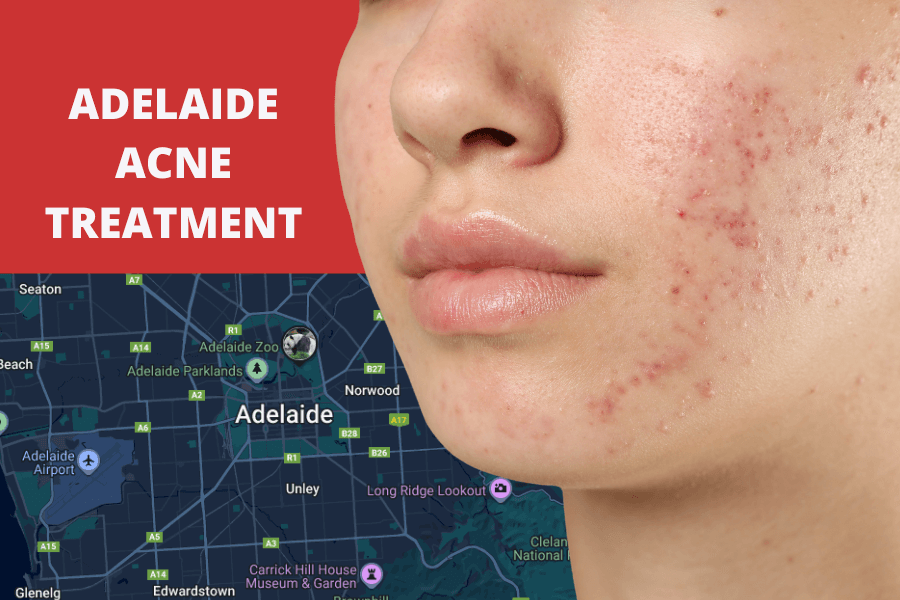
If you’re looking for acne treatment in Adelaide , you may be feeling frustrated with persistent breakouts. Many people try over-the-counter products, but it can be difficult to know which are suitable. You’ve probably got a bathroom cabinet full of half-used products. That cleanser your friend recommended. The spot treatment from TikTok. Maybe even that 10-step routine you gave up on after three days because who has time for that?
Persistent acne may continue despite these efforts.
Here’s the thing—persistent acne typically needs professional assessment rather than guesswork. Adelaide’s got proper options now. Traditional dermatology clinics if that’s what you prefer. Telehealth consultations too, which means talking to qualified practitioners without actually having to go anywhere. Both work, just depends on your situation.
But first, let’s talk about what’s actually happening under your skin. Because understanding that makes treatment options make more sense.
The Science Bit (Without Getting Too Technical)
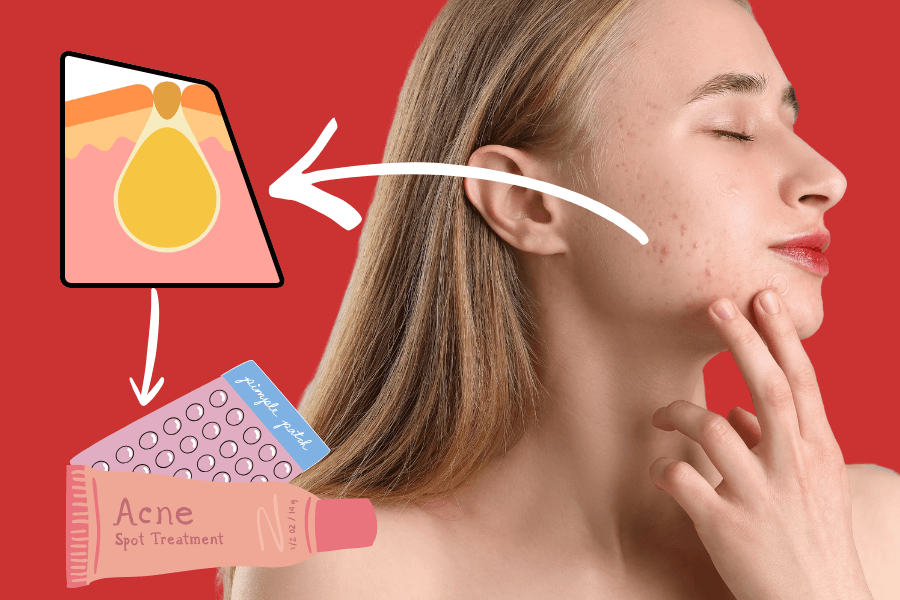
Pores are just little holes in your skin where hair grows. When oil and dead skin build up, they get blocked. Bacteria multiply in blocked pores, which triggers inflammation. That’s what causes the redness and pain.
Sounds reasonably straightforward, doesn’t it? Except acne’s anything but straightforward in practice. Some people get occasional spots. Others deal with constant breakouts that last for months. The severity’s all over the map.
If you’ve ever wondered why your skin decides to break out at the worst possible moments, you’re not alone. The answer often lies with your hormones.
Hormonal changes during puberty can increase oil production in the skin, which may contribute to acne. Hormonal fluctuations can continue into adulthood, sometimes contributing to adult acne. Your monthly cycle can trigger fluctuations. Pregnancy brings its own changes. Even a stressful week at work can throw things off balance.
So what’s really going on when you break out?
Increases in androgen hormones may stimulate excess oil production in some individuals, which can contribute to blocked pores. All that extra sebum has to go somewhere, right? It ends up mixing with dead skin cells, creating this gunky mess that blocks your pores.
This can create an environment where acne-causing bacteria multiply, leading to inflammation and pimples. They love those clogged pores—it’s like their perfect breeding ground. Your body notices these unwanted guests and fights back with inflammation. And boom, you’ve got yourself a pimple. Or three. Or ten.
Diet and acne? Nobody can give you a straight answer because there isn’t one. We’ve met people who are convinced that one square of chocolate guarantees a breakout by morning. Meanwhile, their flatmate practically lives on pizza and chocolate milk with perfect skin. Unfair? Absolutely. But that’s how skin works—it’s ridiculously individual.
Same deal with stress and sleep. Your mate might break out every exam period like clockwork. You might get through the most stressful month of your life with clear skin, only to break out during your holiday. There’s no logic to it sometimes. Some people’s skin reacts to everything, others seem bulletproof. Most of us are somewhere in between, trying to figure out our own skin’s weird patterns.
When You Need Professional Help
Over-the-counter products? Sure, they have their place. But when acne’s persistent or severe, you typically need stronger interventions that require professional prescribing and proper monitoring.
They’ll want to know about other medications you’re taking. Whether you’ve got any relevant medical conditions. Whether acne runs in your family. All of this matters because it shapes which treatment approaches might work for your specific situation.
Then comes the actual skin examination. They’re assessing what type of acne you’ve got and how severe it is. Mild acne responds to completely different approaches than severe inflammatory acne. That’s exactly why proper assessment’s so important.
Adelaide residents can get this assessment through traditional clinic appointments or telehealth consultations with qualified Australian practitioners. Both involve thorough evaluation and follow-up monitoring to see how you’re responding to treatment.
Your Treatment Options Depend on Your Situation
What works for you depends entirely on your specific circumstances. Can’t emphasise that enough. There’s no universal solution that works for everyone.
Topical treatments—that’s medicated preparations you apply directly to your skin—work through various mechanisms to reduce blockages and calm inflammation. These are often where practitioners start for milder cases.
Moderate to severe acne might require systemic treatments, which qualified practitioners prescribe after assessing whether you’re medically suitable. Not everyone can safely take every type of treatment. Your practitioner needs to consider your individual circumstances. Other health conditions you might have. Current medications. All of it.
Some Adelaide clinics offer procedural treatments as well—chemical peels, light-based therapies, laser treatments. These need to be performed by appropriately qualified practitioners who hold proper Australian registrations. Results vary quite dramatically between different individuals. You’ll typically need multiple sessions before seeing meaningful improvement.
Let’s Be Honest About Timelines
Here’s what nobody likes hearing: treatment takes time. Sometimes quite a lot of time. Some people get lucky and see improvement within a few weeks. Others need consistent treatment for months before their skin starts clearing. There’s no guaranteed timeframe, which gets incredibly frustrating when you’re desperate for results.
Every treatment carries potential risks and side effects. What those are depends on which treatment you’re using. During your consultation, practitioners should discuss these possibilities. Things like skin irritation. Systemic effects from certain medications. Contraindications based on your medical history.
And look, if your symptoms persist or get worse despite treatment, you need to go back for reassessment. Sometimes the first approach doesn’t work as well as hoped. Modifications are needed. That’s completely normal and doesn’t mean you’ve somehow failed.
What About Scarring?
Active acne eventually settles for most people. But scarring can stick around. Different types exist too. Shallow and broad scars. Deep and narrow ones. Discoloured patches. The type you’ve got influences which treatments might actually help.
Various procedures target acne scarring using different mechanisms. Resurfacing techniques. Microneedling. Injection-based treatments. Each treatment has varying recovery periods, and outcomes depend on individual response.
Most scar treatments require multiple sessions. Results vary between individuals—worth repeating that because it’s important. Complete scar elimination isn’t guaranteed. Think in terms of improvement rather than perfection. Helps to manage expectations from the start.
Your Daily Skincare Routine Matters
Professional treatment gives you the foundation. But your daily habits either support those efforts or work against them.
Building Better Skin Habits
Let’s be honest—finding a cleanser that doesn’t make things worse feels like trial and error sometimes. You want something that won’t clog your pores (non-comedogenic is the term you’ll see on labels). But beyond that? It gets tricky.
Sensitive skin is frustrating enough without products making it angrier. We’ve found that boring is often better. No fancy fragrances, no long ingredient lists you can’t pronounce. Just the basics. If you’re dealing with oily skin though, you might need something with a bit more grunt to it. Your pharmacist will know what’s worth trying.
Now, about those treatments your doctor or dermatologist prescribed. We get it—when you’re desperate for clear skin, you want to slather on extra hoping for faster results. Don’t. Seriously. You’ll just end up with raw, angry skin that looks worse than before. Stick to what they told you.
Want to know the smartest thing you can do? Add new products slowly. Like, one new thing every fortnight slowly. Yeah, it’s annoying when you’ve just bought three different products and want to try them all. But if your skin suddenly improves (or gets worse), you’ll actually know what caused it.
The hardest part? Not touching your face all day. We all do it without thinking—resting your chin on your hand, picking at rough patches, rubbing tired eyes. Each time spreads bacteria around. Same with scrubbing your face like you’re cleaning a pan. Just… don’t. Pat it dry, be gentle, treat your skin like it’s already irritated (because it probably is).
Walk into any Aussie pharmacy and you’ll see shelves packed with acne products. Some work brilliantly for certain people. Others do absolutely nothing. The pharmacist can help narrow down your options, but let’s be real—if you’ve been battling severe acne for months, those off-the-shelf products probably won’t be your miracle cure. Sometimes you need the prescription-strength stuff, and that’s completely normal.
Look, there’s no magic "clear skin diet" that works for everyone. Trust us, if there was, we’d all be following it by now.
Food and skin? It’s all over the place. We know someone who’s absolutely convinced that one glass of milk guarantees a chin breakout within 48 hours. Her sister? Drinks lattes daily with skin like porcelain. Then there’s another one who blamed chocolate for years, cut it out completely, and… nothing changed.
If you really want to know whether that Friday night pizza is causing Monday’s spots, start writing down what you eat. Boring? Yes. But after a month, you might notice your skin goes mental every time you have cheese. Or you might realise food’s got nothing to do with it. Worth finding out though, instead of guessing forever.
Stress can exacerbate acne in some individuals, but responses differ from person to person.
Different people find various stress management techniques helpful, such as exercise, relaxation practices, or social support. Doesn’t matter what works for you—just find something. Even if your skin doesn’t improve, you’ll feel less rubbish about life in general.
Inadequate sleep may affect skin health and inflammation, which could influence acne severity in some individuals. Four hours might feel like enough when you’re young, but your face will tell a different story in the mirror. We know getting seven to nine hours sounds impossible some nights, but it makes such a difference. Not just for your skin—for everything. Though if clearer skin happens to be a bonus, We are not complaining.
The annoying truth? You can do everything "right" and still break out. But these habits are worth building anyway, because they make you feel better overall. And feeling better about yourself? That shows on your face in ways that have nothing to do with acne.
Finding the Right Care in Adelaide
You’ve got several pathways to access acne treatment locally. Your general practitioner can assess mild to moderate cases and start you on appropriate treatment. For more complex situations or treatment-resistant acne, they might refer you to a specialist dermatologist.
Dermatologists have additional training specifically in managing skin conditions, including severe or complicated acne. If you’ve got a referral from your GP, you might qualify for Medicare rebates. Check the specific eligibility criteria though—it varies.
Online Treatment Options for Adelaide Residents
Can’t get to a clinic? Fair enough. Between work, study, and life in general, sitting in a waiting room for ages isn’t always realistic.
Telehealth consultations provide an alternative for those unable to attend in-person appointments. Telehealth consultations have become way more available recently. Video-based assessments with qualified Australian practitioners. These services have to comply with regulations set by the Therapeutic Goods Administration (TGA) and the Australian Health Practitioner Regulation Agency (AHPRA). So there are standards they need to meet.
Acne Express is one option that connects you with Australian-registered doctors through video consultations. You fill out a medical questionnaire, have a consultation, and if you’re suitable for treatment, they can prescribe medication that gets delivered to your door.
The process is pretty straightforward. You upload photos of your skin (they’ll tell you exactly what angles they need), answer questions about your medical history, and book a video call. The doctor assesses whether you’re appropriate for treatment—not everyone is, and that’s actually a good sign. Means they’re doing proper assessments rather than just handing out prescriptions to anyone who asks.
What is useful about services like this is the follow-up. They typically check in after a few weeks to see how you’re going. If something’s not working or you’re getting side effects, you can usually message them rather than waiting weeks for another appointment.
Treatment timelines for telehealth are similar to in-person care. Online consultations primarily offer convenience, not faster outcomes.
When you’re looking for someone to help with your skin, make sure they’re actually qualified. Sounds obvious, but you’d be surprised how many people don’t check.
In Australia, proper practitioners have to be registered and keep their qualifications up to date. It’s not just bureaucratic nonsense—these rules exist for a reason. You want someone who actually knows what they’re doing, not someone who did a weekend course online and now calls themselves a "skin specialist."
Takes two minutes to check their registration online. Worth doing before you hand over your money (and your face) to someone.
What to Expect From the Process
Initial appointments involve detailed discussions about your acne history. When it started. What patterns you’ve noticed. What you’ve already tried that didn’t work. Your practitioner will examine your skin to assess type and severity. Then they’ll discuss suitable options along with associated risks and benefits.
Follow-up appointments let practitioners monitor how you’re responding and make adjustments if needed. Treatment plans aren’t rigid. If something’s not working after a reasonable trial period, your practitioner should be willing to try different approaches.
Success depends on multiple factors. Your acne severity. Your individual biology. How consistently you follow treatment recommendations. Whether your expectations are realistic. Not everything works equally well for everyone—that’s just the reality. Finding effective approaches sometimes requires patience and persistence. Feels frustrating, but it’s completely normal.
The Takeaway
Managing persistent acne effectively usually requires professional guidance. Adelaide offers various access points to qualified care—traditional appointments, telehealth consultations, different types of practitioners depending on what you need.
The crucial step? Actually seeking professional assessment instead of continuing to struggle on your own. Acne’s a legitimate medical condition that responds to appropriate treatment. You genuinely don’t have to just tolerate it indefinitely.
Disclaimer: The information provided in this article is for general informational purposes only and does not constitute medical advice. It is not intended to be a substitute for professional medical advice, diagnosis, or treatment. Always seek the guidance of a qualified healthcare provider with any questions you may have regarding a medical condition. Do not disregard professional medical advice or delay in seeking it because of something you have read here. Individual results from any treatment may vary.