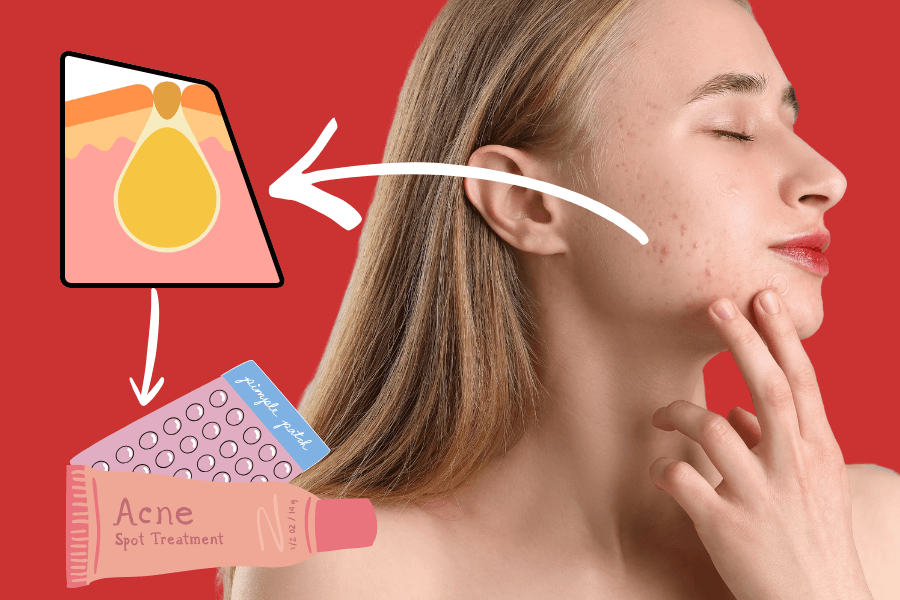
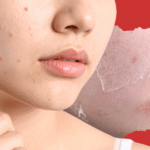
Acne, often seen as a bane of teenage years, might come with an unexpected silver lining. For many years, dermatologists have noted that individuals who suffer from acne seem to experience slower skin aging compared to those who have never dealt with this common skin condition. This intriguing correlation offers a fresh perspective on acne, shifting the narrative from solely a troublesome skin issue to one with potential long-term skin benefits. Let’s explore this fascinating connection and understand what it means for your skin health.
Acne and skin aging: What’s the link?
Research suggests that the connection between acne and delayed aging lies in the biology of the skin. People with a history of acne tend to have longer telomeres in their white blood cells. Telomeres are protective caps at the ends of chromosomes, and their length is associated with cellular aging; longer telomeres indicate younger, healthier cells. Thus, the presence of longer telomeres in acne sufferers could explain the slower aging process.
Sebum production: A natural moisturiser
Another factor contributing to delayed aging in acne sufferers is the increased production of sebum, the skin’s natural oil. While excessive sebum can clog pores and lead to acne, it also keeps the skin well-moisturised. Well-hydrated skin is less prone to developing fine lines and wrinkles, helping to maintain a youthful appearance over time.
Scientific evidence supporting the connection
A study conducted by King’s College London, involving twins, found that those with a history of acne had significantly longer telomeres compared to their acne-free siblings. This discovery provides substantial evidence that acne sufferers may indeed enjoy a form of delayed skin aging.
Additionally, dermatologists have observed that acne-prone skin tends to have a thicker dermis. The dermis is the middle layer of the skin, responsible for its strength and elasticity. A thicker dermis can contribute to a more youthful look, as it helps prevent sagging and wrinkles.
Embracing the positive side of acne
While acne can be a source of frustration, understanding its potential anti-aging benefits can provide some solace. Here are some tips to manage acne while appreciating its long-term skin benefits:
1. Maintain a balanced skincare routine
Using gentle, non-comedogenic (non-pore-clogging) products can help manage acne without stripping the skin of its natural oils. Look for cleansers and moisturisers that suit your skin type and maintain its natural barrier.
2. Protect your skin from the sun
Sun protection is crucial for everyone, but especially for those with acne-prone skin. Use a broad-spectrum sunscreen to protect your skin from harmful UV rays, which can exacerbate acne and accelerate aging.
3. Seek professional advice
Consulting a dermatologist can help you find the right treatment for your acne. They can provide personalised advice and prescribe medications if necessary, ensuring that your skin stays healthy and youthful.
4. Hydrate and nourish your skin
Keep your skin well-hydrated by drinking plenty of water and using hydrating skincare products. Ingredients like hyaluronic acid and glycerin can help maintain moisture levels in the skin.
Conclusion
The connection between acne and delayed aging offers a refreshing perspective on a common skin concern. While dealing with acne can be challenging, the potential long-term benefits for your skin might make the struggle a bit more bearable. By understanding the science behind this connection and adopting a comprehensive skincare routine, you can manage your acne effectively and enjoy the youthful skin benefits it may bring.
For Australians dealing with acne, this information can be particularly valuable. Embrace the journey towards clearer, healthier skin with the knowledge that your acne might be working in your favour in the long run.
For those seeking professional guidance and effective treatments, Acne Express, a leading online treatment service for acne for Australians, offers tailored solutions to help you achieve clearer skin while potentially reaping the anti-aging benefits associated with acne-prone skin.