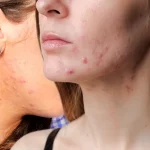
Acne can appear suddenly and disrupt your plans. We need to talk about why the causes of acne go way beyond "you didn’t wash your face properly" – because that outdated advice isn’t helping anyone.
Australia’s weather certainly doesn’t help matters. Monday’s dry air has your skin flaking, Thursday’s humidity turns you into an oil factory, and by Sunday you’re breaking out in spots you didn’t know were possible. Meanwhile, your friend uses bar soap and looks like a skincare ad. Life’s unfair like that.
What is the Main Biological Cause of Acne?
Your skin runs a complex operation every second. Tiny glands pump out oil through thousands of pores, dead cells flake off, bacteria maintain the peace. Usually this system hums along fine. Then something throws a spanner in the works.
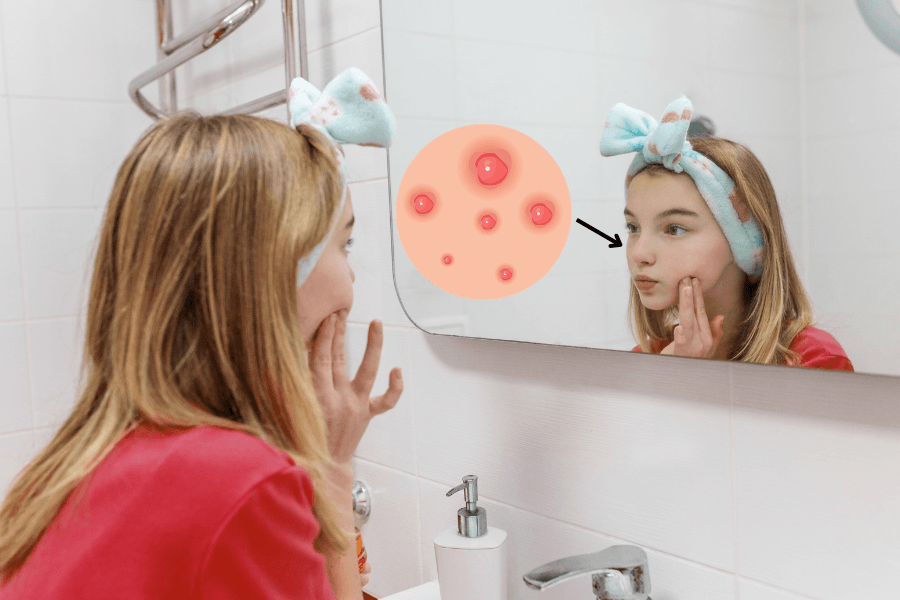
The drama starts in your pores. Oil glands at the bottom squeeze out sebum – that waxy stuff that keeps skin soft. This oil needs to travel up and out onto your skin’s surface. Simple enough, except when dead skin cells decide to be difficult. Instead of dropping off like good little cells, they turn gummy and stick together.
Mix gummy cells with thick oil and you’ve got yourself a blocked pore. Like when leaves block your gutters and water backs up. Except this backup happens on your face.
Cutibacterium acnes is a bacteria that naturally lives on your skin. When trapped in blocked pores, it can multiply and trigger inflammation. The bacteria multiply like crazy, chomping through all that trapped oil. Your immune system spots these gatecrashers and launches an attack. Red alert, send the troops, inflame everything. That’s your pimple.
Genetics play a major role in acne, affecting oil production, cell turnover, and immune response. Seriously. Genetics determine whether you got the oil glands of a teenager or the cell turnover of a snake shedding skin. Some people’s immune systems barely notice bacteria. Others treat a single bacteria like a full invasion and respond accordingly.
Scientists keep finding new genetic quirks linked to acne. One gene affects how thick your oil is. Another controls how fast your skin cells die and shed. Yet another determines whether your immune system goes nuclear or stays chill. You inherited a combination of these traits, creating your unique acne blueprint.
Shallow blockages near the surface create blackheads – and no, that black dot isn’t dirt. It’s oil that’s turned dark after hitting air, like a cut apple going brown. Deeper blocks form whiteheads or those underground painful lumps that throb when you touch them. Really deep blockages that rupture under the skin? Those become cystic monsters that hurt for weeks and leave craters behind.
How to Tell if Your Acne is Hormonal?
Hormonal acne has a signature style. For starters, timing is everything. Breakouts that appear a week before your period are often linked to hormonal fluctuations. Teenage acne are scattered everywhere, but adult hormonal acne? It loves your jawline and chin. Sometimes it creeps up your neck or camps out on your lower cheeks. Basically, draw a line from ear to ear under your nose – hormonal acne lives below that line.
These bumps feel different too. Forget surface-level whiteheads you could extract. Hormonal acne creates deep, throbbing lumps that never come to a head. Press one accidentally while washing your face and you’ll wince. They hang around for ages, finally disappearing but leaving a dark mark to remember them by.
What’s actually happening? Hormones called androgens tell your oil glands to work overtime. Not only do they boost oil production, they make the oil thicker and more pore-clogging. Like switching from pouring water to pouring honey through a strainer.
Women often experience acne linked to periods, pregnancy, contraceptives, PCOS, or perimenopause. Men’s hormone fluctuations are generally steadier, but teenage boys can still experience severe acne. Though they produce more androgens overall, which explains why teenage boys often get severe acne.
Cortisol joins the hormone party when you’re stressed. Had a fight with your partner? Big presentation coming up? Family drama? Your skin knows. Cortisol cranks up oil production and inflammation. So that massive breakout during finals week wasn’t coincidence – your stress literally showed on your face.
The hormone-acne connection gets more complicated with age. Twenty-somethings might break out from birth control changes. Thirty-somethings discover pregnancy acne. Forty-somethings deal with perimenopause surprises. Each life stage brings new hormonal challenges your skin has to navigate.
Environmental and Lifestyle Triggers
Let’s discuss how Australian living specifically messes with your skin. Coastal humidity in summer makes your face an oil slick by noon. Inland dry heat sucks moisture out, so your skin panics and produces extra oil to compensate. Air conditioning dries you out inside, then you step into humid heat outside. Your poor confused skin doesn’t know what’s happening.
Sun damage adds another layer of trouble. UV exposure thickens your outer skin layer, trapping dead cells that should’ve shed. Yes, you need sunscreen daily (skin cancer isn’t worth it), but finding one that protects without causing breakouts? Good luck. Most people try five different formulas before finding their match.
Your gym routine might be fit but your post-gym skin routine probably isn’t. That sweaty workout creates a bacterial paradise. The longer sweat sits on your skin, the more likely breakouts become. Bacne (back acne) especially loves gym equipment and sweaty sports bras. Yet somehow gyms never have adequate shower facilities when you need them.
Your phone can transfer bacteria to your skin, contributing to breakouts. You touch your phone after touching door handles, money, keyboards. Then you press it against your face. Notice breakouts on one cheek? Check which side you hold your phone.
Prolonged mask-wearing can cause friction and trap moisture, sometimes leading to breakouts (“maskne”). Maskne is real – the friction, trapped breath moisture, and rebreathing bacteria created perfect breakout conditions. Healthcare workers already knew this struggle, but suddenly everyone discovered the joy of chin and jawline breakouts.
Hair products secretly sabotage your skin. Smoothing oils, leave-in treatments, dry shampoo – great for hair, terrible when they migrate to your forehead. Silk pillowcases aren’t just fancy; cotton pillowcases absorb products from your hair then transfer them back to your face for eight hours every night.
Diet discussions get heated, but here’s what we know: wolfing down high-sugar foods can trigger insulin spikes that affect hormones. Dairy contains natural hormones and proteins that might influence acne. Some people swear cutting gluten cleared their skin. Others noticed zero difference. Your body, your rules. A food diary beats any Instagram influencer’s advice.
Alcohol can dehydrate your skin and worsen breakouts if combined with late-night food or stress. Alcohol dehydrates skin, disrupts sleep, and often comes with late-night greasy food. Your liver’s busy processing alcohol instead of helping clear toxins. Plus hangover stress hormones. It’s a perfect storm for breakouts.
Sleep deprivation wrecks your skin faster than almost anything. During deep sleep, your body repairs damage and balances hormones. Skimp on sleep and watch inflammation increase, healing slow, and oil production go haywire. Those 3am TikTok scrolling sessions cost more than just tired eyes.
Getting Serious About Solutions
Eventually, drugstore products stop cutting it. You’ve tried every foam, gel, cream, and spot treatment. Your bathroom cabinet looks like a skincare graveyard. Time to admit you need backup.
Services like Acne Express offer convenient access to prescription acne care online, without long clinic waits. No more three-month waits for dermatologists or awkward discussions in crowded waiting rooms. Upload photos, answer detailed questions, receive prescription treatments. Healthcare that actually fits modern life.
Prescription treatments work differently than store-bought options. Retinoids literally change how your skin cells behave, preventing clogs before they start. Antibiotics tackle bacterial overgrowth and calm inflammation from inside out. Hormonal medications like spironolactone block androgens from triggering oil production.
Warning: things might get worse before improving. Many treatments cause "purging" – hidden congestion rises to the surface all at once. Your skin looks terrible for 3-4 weeks. Most people quit here, right before the magic happens. Push through this phase. Most people see noticeable improvement after 8 weeks of consistent treatment.
Smart dermatologists combine treatments. Morning antibacterial gel, evening retinoid cream, maybe oral antibiotics too. Attacking acne from multiple angles works better than one strong treatment alone. Combination treatments attack acne from multiple angles, often producing better results than a single treatment alone.
Patience isn’t optional; it’s mandatory. Skin cells take 28 days to turn over. Hormones need months to regulate. That miracle overnight cure doesn’t exist, despite what ads claim. Real improvement takes 2-3 months minimum. Complete clearing might take six months. But it does happen.
Frequently Asked Questions
Does stress really cause acne?
Stress doesn’t create acne from nothing, but bloody hell does it make existing acne worse. Stress hormones tell your oil glands to go crazy while dialling inflammation up to eleven. Plus stressed people often slack on skincare, eat rubbish, and sleep poorly – all acne triggers. Notice how your skin erupts during rough patches? That’s not imagination. Exercise helps. Meditation works for some. Others need therapy or medication. Whatever chills you out will likely chill your skin out too.
What foods trigger acne breakouts?
No food directly causes acne, despite what your grandmother said about chocolate. But certain foods influence some people’s skin. Sugar and refined carbs can spike insulin, affecting hormones and oil production. Dairy might trigger breakouts, especially skim milk (weirdly, cheese affects fewer people). Whey protein powder gives some gym-goers terrible breakouts. Everyone’s different though. Your friend might eat ice cream daily with clear skin while one slice of pizza wrecks your face. Track your food and skin for a month. Patterns will emerge.
Is acne hereditary?
Absolutely. If both parents had acne, you’ve got an 80% chance of joining the club. Genetics determine oil production, cell turnover, pore size, and inflammatory response. You inherited your acne tendency like you inherited your eye colour. Can’t change it, but you can manage it. Knowing your genetic cards helps pick better treatments. Oily skin genes? You’ll need different products than someone with inflammatory acne genes. Family history provides clues about what might work.
Why does acne get worse before getting better with treatment?
The dreaded purge is real. When you start retinoids or other treatments, they speed up cell turnover. All that gunk hiding deep in your pores suddenly rushes to the surface at once. Your face might look like a war zone for 3-6 weeks. People panic and stop treatment right when their skin would’ve started clearing. The purge means the treatment’s working – it’s bringing hidden acne to light so it can heal properly. Stick with it unless you’re having allergic reactions.
Can overwashing your face cause more acne?
Absolutely. Scrubbing your face raw twice daily seems logical but backfires spectacularly. Harsh cleansing strips natural oils, so your skin panics and produces even more oil to compensate. Plus, you’re damaging your skin barrier, letting bacteria in easier. Damaged, irritated skin also holds onto dead cells instead of shedding them properly. Washing once or twice daily with gentle cleanser works better than attacking your face like you’re scouring a pan.
Does makeup cause acne?
Depends on the makeup and how you use it. Non-comedogenic products shouldn’t clog pores, but "non-comedogenic" isn’t regulated – companies slap it on anything. Heavy foundations, especially in Australian heat, mix with sweat and oil to create pore-clogging paste. The real villain is often not removing makeup properly or sleeping in it. Bacteria feast on leftover makeup mixed with oil and dead skin. Double cleansing at night (oil cleanser then regular cleanser) prevents most makeup-related breakouts.
Why do I still get acne in my 30s and 40s?
Adult acne hits differently than teenage breakouts. Hormones still play the main role – perimenopause, pregnancy, birth control changes all trigger flare-ups. But adult skin also deals with slower cell turnover, meaning dead cells stick around longer. Stress from careers, kids, mortgages doesn’t help. Women especially struggle as hormone levels roller-coaster through different life stages. Plus, years of sun damage and product use can create stubborn congestion that surfaces as adult acne.
Real Talk
Acne rarely has one cause. It’s usually several factors ganging up – genetics load the gun, hormones pull the trigger, stress adds fuel, and that new foundation delivers the final blow. Your skin reaches its limit and erupts.
Breakouts don’t mean you’re gross or slack with hygiene. Some people with terrible skincare have perfect complexions while others follow twelve-step routines and still battle spots. The game is rigged from the start, and your DNA dealt you a tricky hand. Finding your triggers resembles detective work more than following instructions.
Professional help speeds up the trial-and-error process. Dermatologists recognise patterns you’d miss and know which treatments play well together. The journey to decent skin zigzags more than anyone admits. You’ll have great weeks followed by random explosions of spots. Some treatments make things worse before better.
Progress creeps up slowly. Breakouts heal faster, new ones appear less angry, and gradually the time between flare-ups stretches longer. One random Tuesday, you catch your reflection and realise your skin looks… normal. Not perfect, not magazine-worthy, just normal human skin. That’s the real victory – and it happens so gradually you almost miss it.
Disclaimer: This article is for educational and informational purposes only and does not constitute medical advice. The information provided should not be used for diagnosing or treating any health condition. Always consult with a qualified healthcare professional or dermatologist before starting any treatment, making changes to existing treatment, or if you have concerns about your skin condition. Individual results may vary, and what works for one person may not work for another. If you experience severe acne, allergic reactions, or any concerning symptoms, seek immediate medical attention.